
Article by Marcus Siu
The exciting news with Apple Music this month is that their entire catalogue will be in glorious lossless ALAC audio. The service’s catalogue will be available in CD-quality with 20 million songs available in hi-res at launch. Apple Music subscribers will be able to listen to more than 75 million songs – and is a new feature for Apple Music subscribers starting in July.
Apple Music’s Lossless tier starts at CD quality, which is 16 bit at 44.1 kHz (kilohertz), and goes up to 24 bit at 48 kHz and is playable natively on Apple devices. For the true audiophile, Apple Music also offers Hi-Resolution Lossless all the way up to 24 bit at 192 kHz. This is true industry-leading sound quality that is being streamed to subscribers.
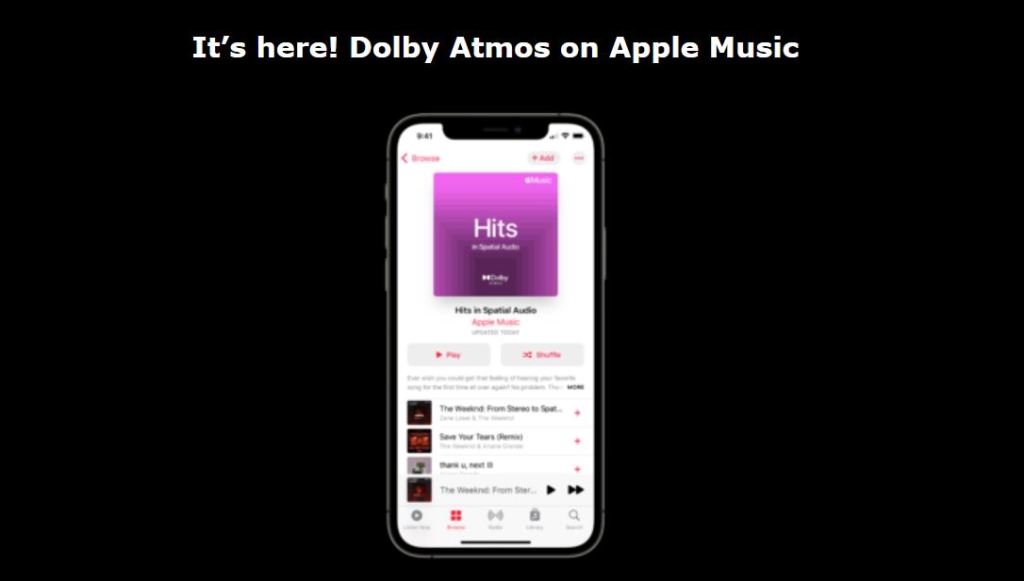
Not only that, but Apple is bringing Spatial Audio with support for Dolby Atmos to Apple Music. Dolby Atmos is a revolutionary, immersive audio experience that enables artists to mix music so the sound comes from all around and from above. It allows people to connect with their favorite music in a whole new way, pulling listeners into a song and revealing what was lost with stereo recordings. Listeners can discover hidden details and subtleties with unparalleled clarity. Thousands of tracks will be available in Spatial Audio with Dolby Atmos at launch, with more added regularly.
There will be exciting times ahead for musical recording artists to be even more innovative in this latest technology.

“Apple Music is making its biggest advancement ever in sound quality,” said Oliver Schusser, Apple’s vice president of Apple Music and Beats. “Listening to a song in Dolby Atmos is like magic. The music comes from all around you and sounds incredible. Now we are bringing this truly innovative and immersive experience to our listeners with music from their favorite artists like J Balvin, Gustavo Dudamel, Ariana Grande, Maroon 5, Kacey Musgraves, The Weeknd, and so many more.
The cost is $9.99/month or $14.99/month for the Apple Music Family Plan which allows you to share your account for up to five people. If you’re a student, it’s only $4.99.
In response, Amazon, who had been charging premium prices for Lossless Audio, had decided to drop the extra premium cost for their service. Amazon’s high-fidelity streaming service, Amazon Music HD, is now available to Amazon Music Unlimited subscribers at no extra cost. Amazon Music HD previously cost $14.99 a month ($12.99 for Prime members) while Amazon Music Unlimited, its most popular service option, is $9.99 a month ($7.99 for Prime members).
In the meantime, Spotify, who has the largest global market share for paid subscribers for streaming music, announced their upcoming premium service equivalent, Spotify HiFi, which has consistently been one of users’ most requested new features. Beginning later this year, premium subscribers in select markets will be able to upgrade their sound quality to Spotify HiFi. However, time will tell if it will be an “upgrade” or if it will be included in their regular subscription, like Apple.
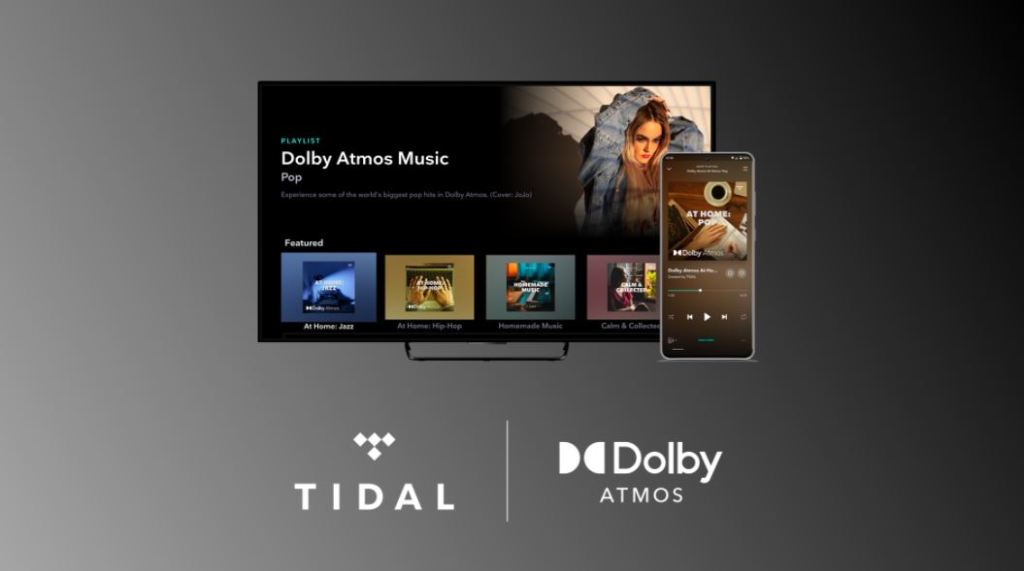
In addition, it will be interesting what TIDAL Music will do, considering they were the first music streaming service bringing Dolby Atmos Music to users with a Dolby Atmos enabled sound bar, TV, or AVR home theater system through its HiFi tier.
Why do we care?
For most people who leisurely listen to music, they won’t care, but for professional musicians and audiophiles who have already invested serious money into their stereo equipment and studio-grade headphones, it’s been what they’ve been waiting for a long time.
It has been strange that the digital revolution has brought us more listeners, thanks to the invention of Apple’s iPod, a device that was perfect for on the go music, but compromised on sound quality and “everything” that the artists wanted you to hear after they investing hefty sums of money in the recording studios and into their recordings. What a travesty!
Blame mp3’s. They became the new standard format for digital music in the beginning of the iPod days nearly thirty years ago. Consumers ditched their CD’s after converting them into mp3 music files that only contained a small fraction of the music, so they could carry their music in their iPod players instead of having to carry stacks of CD’s. These compressed music files with its minimal storage space made life good by easily taking our catalog of music into our iPods with us every where we went.
iPod users are able to carry hundreds or even thousands of songs with them but there is a tradeoff. Even though the sound quality of the mp3’s was fine on our iPod’s earphones, it was not up to par to CD’s when connected to a typical home stereo system or listening through high quality stereo headphones.
Most people didn’t realize this until they plugged their iPod’s into their home stereo for the first time and found the sound to be inferior, characterless, and shallow. It certainly surprised me when I did this and it didn’t occur to me that mp3’s were the culprit, until I researched more about them. Not to totally rip mp3 technology, (no pun intended), but they are perfect for listening where it doesn’t demand attention, like at a beach or campsite. Nothing better than a little white noise in the environment, but I would have preferred just bringing a few CD’s…or better yet, a high digital audio player with a good quality Bluetooth speaker.
You can’t miss what you never heard, but when you realize that you are missing something, it’s important to revisit what you are familiar with and listen to what you missed. Needless to say, consumers may need to upgrade their headphones to take full advantage of the immersive sound, or perhaps, upgrade their home stereo system to Dolby Atmos, if they haven’t done so already.
With 5G in the horizon and more and more personal devices, such as high quality headphones and earbuds becoming more mainstream, lossless audio will be the new standard, as people may begin to realize they are getting far less for their money with compressed lossy audio.
It’s about time that streaming services finally realized that sound quality really does matter to many consumers who would like to be able to hear the way it was heard in the music studio. Why it took us thirty years to realize that we wanted back CD-quality sound after ditching them for mp3 quality sound is beyond me.
I’m sure it made Stevie Wonder too.
Here are some links to experience samples and get free trials:
https://www.dolby.com/experience/apple-music/

 mlsentertainment