
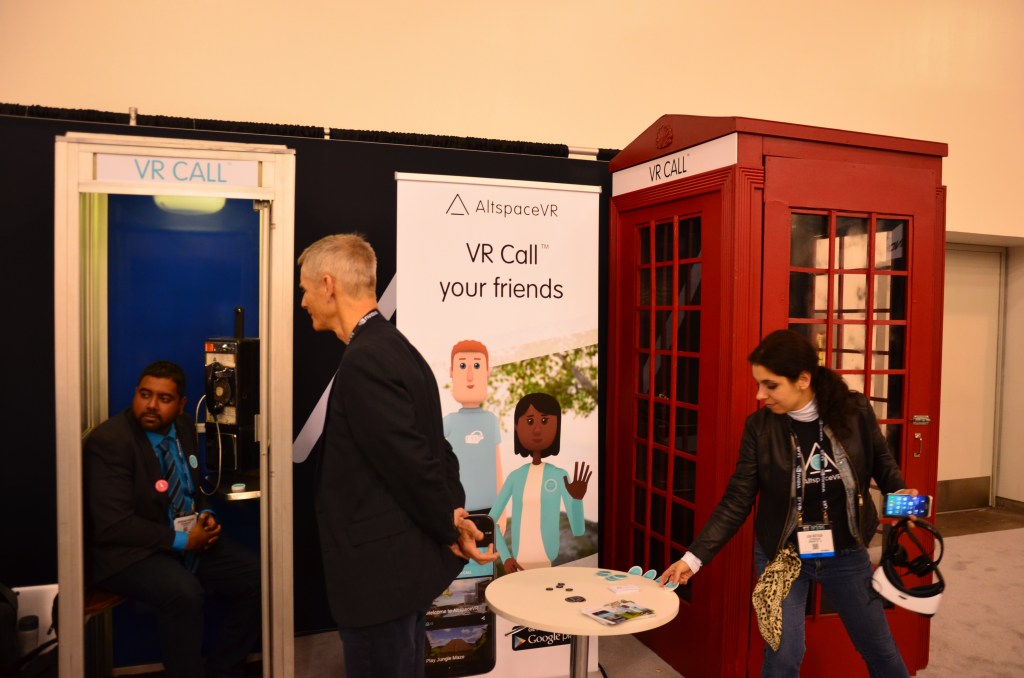
Article and photo by Marcus Siu
“I believe the metaverse is the next chapter for the internet.” – Mark Zuckerberg
With the COVID-19 epidemic surging among the population in record numbers around the world, it has negatively impacted us while dramatically altering our lifestyles for the worse. With shelter in place rules becoming more now of a decisive lifestyle choice for many of us as new variants emerge and continue to bombard us, such as the Delta and Omicron, it certainly has decelerated our psychological well-being (PWB), which is driven by our own physical and emotional health that includes social loneliness.
This has been problematic for most of us, as we simply do not want to go out like we have in the past. To be safe, we need to wear a mask, keep a distance from others in order to protect ourselves and our families from the coronavirus. Gone is the immediate social interaction and independence that we were so used to before the pandemic. Face to face gatherings may be a thing of the past…at least for now, until the virus begins to disappear.
While a portion of our population stays unvaccinated as new variants emerge, the question remains:
When will we ever get to go back to the “pre-pandemic” good old days?
Regardless of what happens, as we constantly thrive for human connection, we will continue to use a wide variety of social apps, such as Zoom, WhatsApp, WeChat, TikTok, and countless others to get us by. Thanks to these social apps and platforms on our smartphones, we have always been connected to the world. If it weren’t for these apps, I’m sure the suicide rates would have gone way up.
THE RISE AND FALL OF SAMSUNG GEARVR
It was 2016 at the Silicon Valley VR Conference when I visited the AltspaceVR booth and took their demo. I put on their Oculus Rift headset they provided me and made my first virtual call. I was suddenly transported in a virtual world at a party with other avatars who would come and greet me. I had no idea who they were, but discovered that I was talking with people from all around the world. Though the avatars were fairly simplistic and had limited movement, it was still quite eye opening.
The following year, a vast majority of consumers were introduced to AR and VR through Samsung’s GearVR headsets. That was the year when Samsung essentially threw in the headsets for free as part of the Samsung Galaxy S7 smartphone package. The GearVR headset, powered by Oculus, who is owned by Facebook. Alongside Samsung, Oculus, HTC Vive, Google, and much of the media were all betting that VR would change the world, especially in the world of gaming.
Unfortunately, that was not to be the case, at least in the short term. It was just a temporary fad as the majority of the consumers did not gravitate to it. Most people surveyed said that they could not wear the bulky headsets for more than 30 minutes at a time because not only was it uncomfortable on their head, but they would also get motion sickness and headaches from it. Many women also complained it messed up their hair.
Similar to the popularity and demise of 3D HDTV’s, the interest for Samsung GearVR headsets was eventually rejected by consumers. At the same time, VR still had a niche market for Business to Business (B2B) applications, AR, VR, and MR (mixed reality) were used mostly practical for technical and training purposes for companies who decided to develop “in house” for their employees.
Compatibility issues within platforms along with the lack of industry standards was always a sore issue with VR developers, though, Nvidia has come up with their “Omniverse” which has changed everything for Game and VR Developers. The Nvidia Omniverse addresses the challenges of creating massive libraries of 3D content that helps game developers build photorealistic, physically-accurate games with record speed by unifying artists, their assets, and software tools in one powerful platform.
THE FUTURE OF SOCIAL INTERACTION IN THE META WORLD
It was no accident Facebook purchased Oculus for $2 billion seven years ago. Mark Zuckerberg, the CEO and co-founder of Facebook had a much broader vision than anyone could ever imagine what Facebook could do with Oculus, who most people just saw as a VR gaming company. Even business experts had questioned why Facebook squandered all that money at the time. Now we know.
With the recent surging popularity of the Oculus Quest 2, which just surpassed the Oculus Rift as becoming the world’s most popular VR headset, it is becoming obvious that Facebook, now Meta, is heading into a new era of social media. Meta has come to realize that it’s the world of future social connection that will be part of Facebooks’ rebranding, along with the companies under it’s umbrella; Facebook, Instagram, and WhatsApp which are sure to be incorporated into the Metaverse.
“We’re going to make Oculus a platform for many other experiences,” Zuckerberg commented while announcing the deal. “Imagine enjoying a courtside seat at a game, studying in a classroom of students and teachers all over the world or consulting with a doctor face-to-face — just by putting on goggles in your home. This is really a new communication platform.”
Perhaps one day, we will be able to have all our friends at one big virtual gathering at a favorite spot such as the home they grew up in, a favorite restaurant, music venue, sports arena or bar. We can even throw a virtual birthday party, graduation, wedding, or even a funeral, and invite friends who are living on the other side of the world who normally wouldn’t be able to attend a real one. Everyone can meet each other virtually that might not have ever happened in reality due to logistics.
Instead of being limited to the number of friends you can sit and watch the Super Bowl, we can do what AltspaceVR did. Invite 200 of your friends and watch it with them. That would be some super party.
Or you can imagine that you are on the planet of Pandora; James Cameron’s “Avatar” environment with your own lifelike Avatar that resembles yourself that tracks your face and eye movements from your headset. This is no longer science fiction, but may be reality soon as Meta is currently developing “Project Cambria”, a very high end VR headset that will be able to do these things that will probably be released late 2022 or 2023.
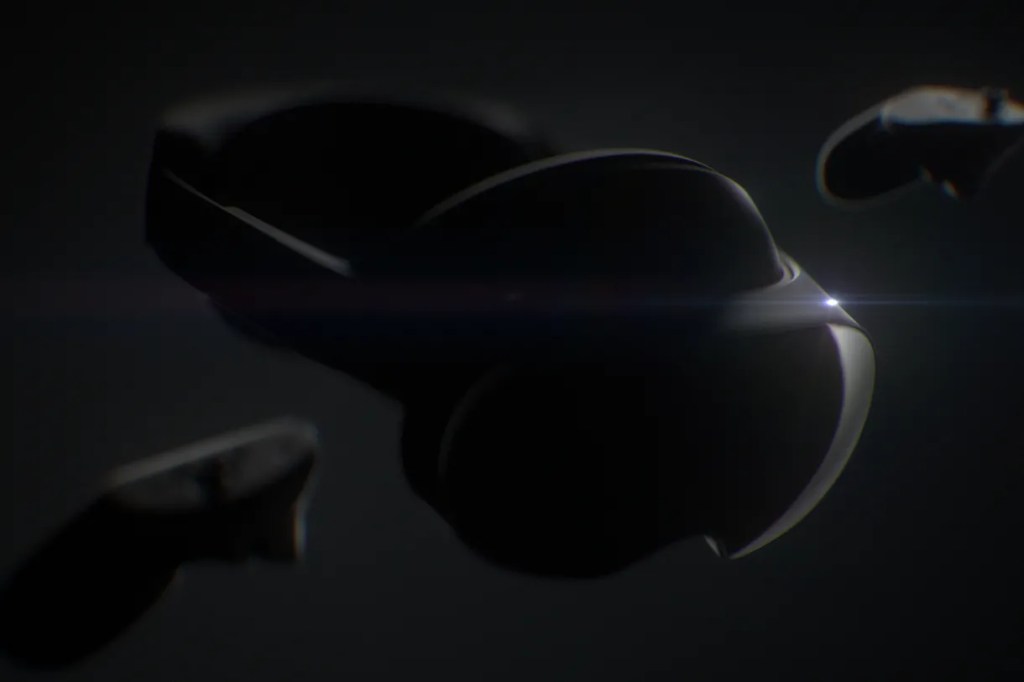
Instead of being distracted by their smart-phones at the dinner table, kids will be soon distracted by their VR headsets or glasses as mom and dad get irritated and lose their patience.
“Take off those damn VR headsets kids and tell your friends you have to eat dinner in the real world! NOW!….”Dinner is getting cold!”
With the Metaverse right around the corner, we may soon be immersed in an a brand new virtual world experience that will be more gratifying as Mark Zuckerberg had originally envisioned. It will also be a more peaceful one knowing that there are no pandemics where humans get sick, regardless of how many viruses are on the computer. Last, but not least, the bulkiness of the headsets will be a thing of the past and the headsets will just be no heavier than a pair of google glasses.
With the fact that people no longer want to go anywhere due to COVID, perhaps the Metaverse will be here sooner that you think and holiday dinners with the family will never be the same again

 mlsentertainment