3D HIGH RESOLUTION AUDIO WITH 360 DEGREE SOUND PUTS SOUNDBARS TO A NEW LEVEL

Innovative Beamforming Speaker Revolutionizes Gaming, VR, Home Theater, and Music Audio Experiences

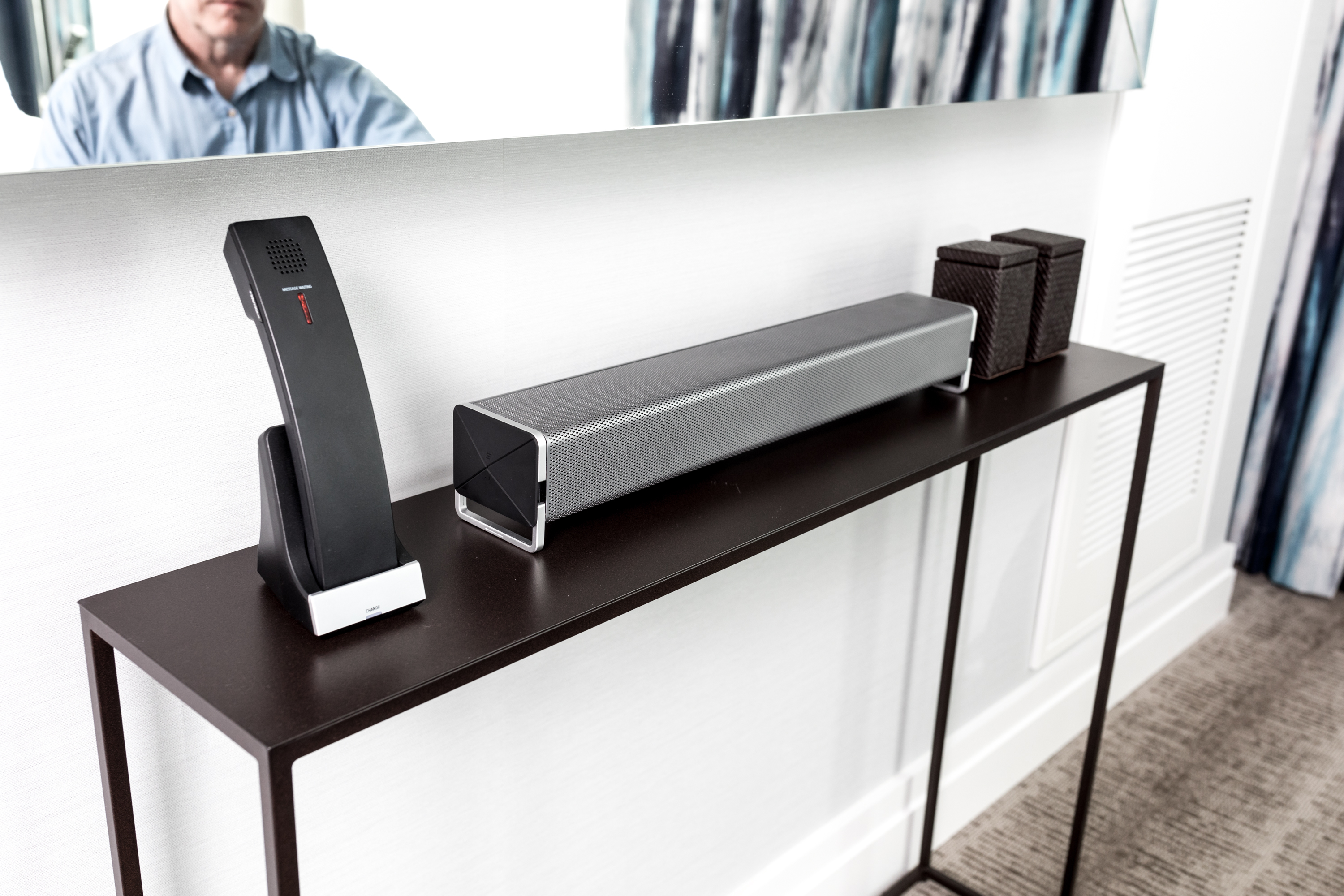
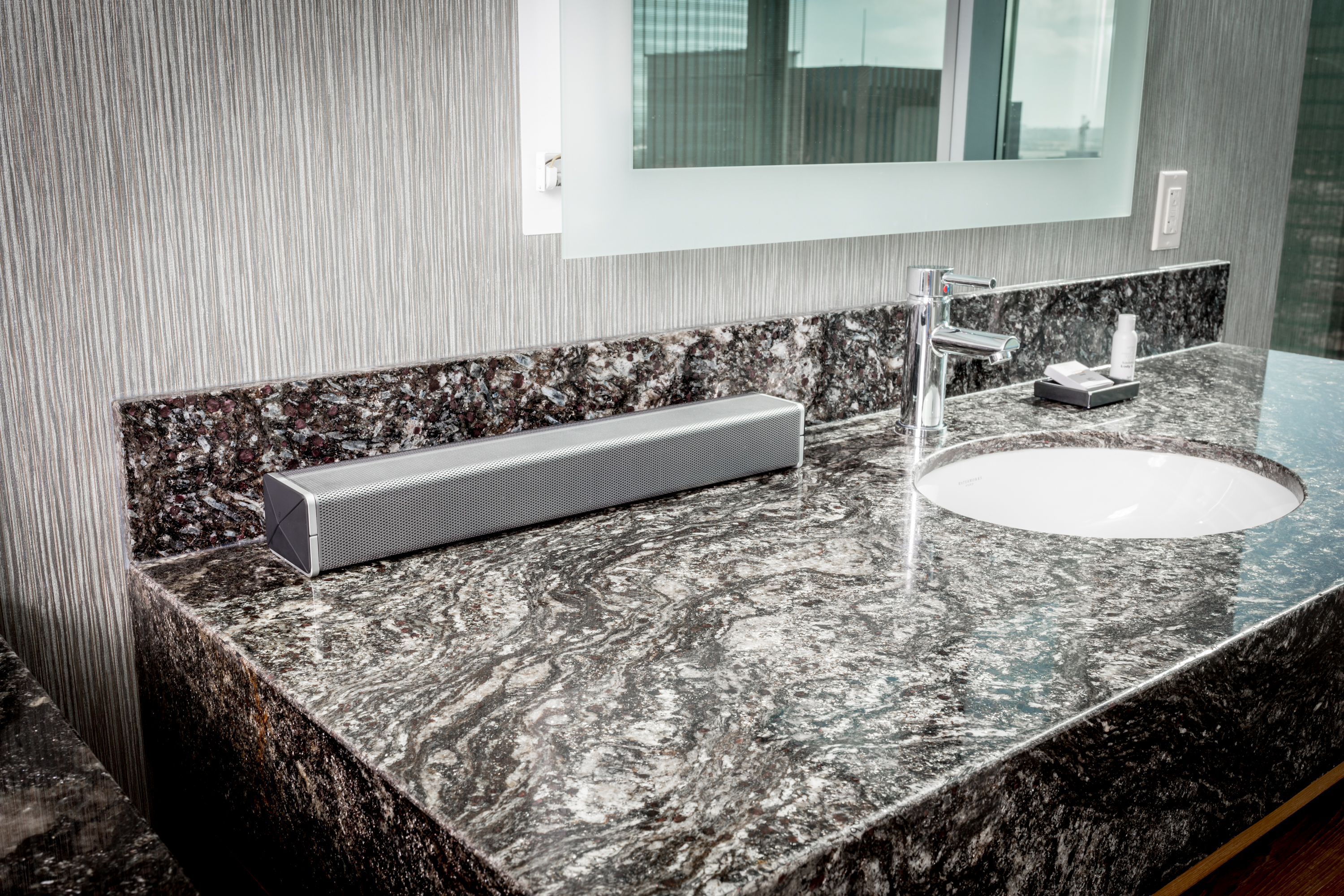
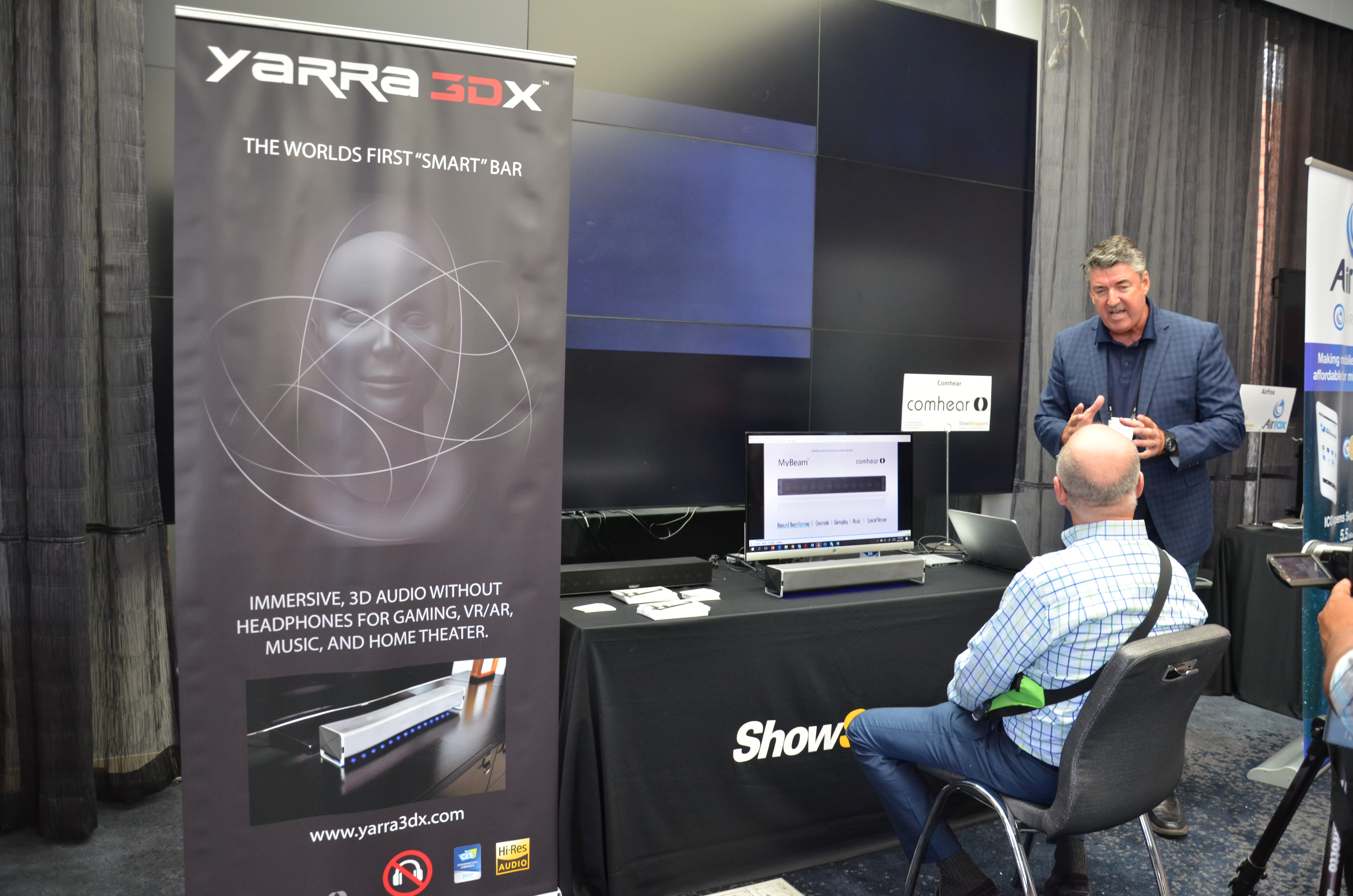
Comhear Inc., a San Diego-based audio technology company, announced today the launch of its Kickstarter campaign for YARRA 3DX™, an industry-first 3D-audio sound bar. Powered by the company’s industry-disruptive MyBeam™ technology, YARRA 3DX provides immersive 360-degree sound without the use of headphones or multiple speakers, delivering a first of-its-kind audio experience for home entertainment, gaming, VR and music reproduction.

Yarra3dx
The campaign kicks off at 12:00 p.m. PT on Tuesday, September 12 and ends on Friday, October 27, 2017. Funds will be used to bring the company’s working prototypes to production-ready status. Early backers of the Kickstarter campaign can secure multiple YARRA 3DX units. Each YARRA 3DX comes with an accompanying subwoofer, setup and control app download instructions, as well as several high-resolution music albums*, starting at $299, or 50 percent off the retail price of $599.

YARRA 3DX is Comhear’s first consumer product and is designed to provide high fidelity sound reproduction for gaming, music, home theater, VR/AR, and teleconferencing. The groundbreaking beamforming technology that makes YARRA 3DX possible — MyBeam™ — was developed in conjunction with researchers at University of California San Diego (UCSD) and has already won several awards this year including the 2017 Consumer Electronics Show (CES) Innovation Award and an “Alfie” from the LA Audio Show (LAAS) for superior technological achievement.

“YARRA 3DX replaces traditional multi-speaker home theater setups for movie viewing, gaming, and music listening,” said Gerry Chastelet, CEO of Comhear. “It’s also a great alternative to headphones, allowing for a fully immersive, yet shared audio experience. The positive reactions to product demonstrations are very encouraging. We are confident YARRA 3DX, powered by our disruptive MyBeam technology, will transform the way people listen and engage with audio.”

The YARRA 3DX system features high-res audio specifications, localization controls for multiple users (up to three), classic stereo mode for larger groups, analog/digital inputs, and powered subwoofer. The 360° spatial 3D-audio technology used in YARRA 3DX has also been installed by Comhear in Great America’s, “Mass Effect: New Earth, A 4D Holographic Journey” attraction in California. The Comhear MyBeam™ technology pairs with the world’s largest UltraHD 3D screen to completely immerse guests in the popular “Mass Effect” video game developed by Electronic Arts’ franchise BioWare. 3DLive and Halo are also collaborators.

Offering both wired and wireless connectivity, analog and digital inputs (USB and HDMI), YARRA 3DX can be used individually or as part of a home entertainment network. YARRA 3DX is small, simple, elegantly designed, and available in either silver or black. The YARRA 3DX app allows users to control settings and sound parameters including localization, near and far field settings, music, game and movie modes, and firmware updates.

To learn more about the YARRA 3DX campaign and to back the project, visit:

https://www.kickstarter.com/projects/yarra3dx/910346110

The manufactured product will begin shipping in the first quarter of 2018.

*Albums produced by AIX Records.
Posted in Entertainment, Technology | Tagged , , , , , | 1 Comment

COOL PRODUCTS FOR THE SUMMER FROM THE PEPCOM SHOW – SPOTLIGHT ON THE ESPIN eBIKE

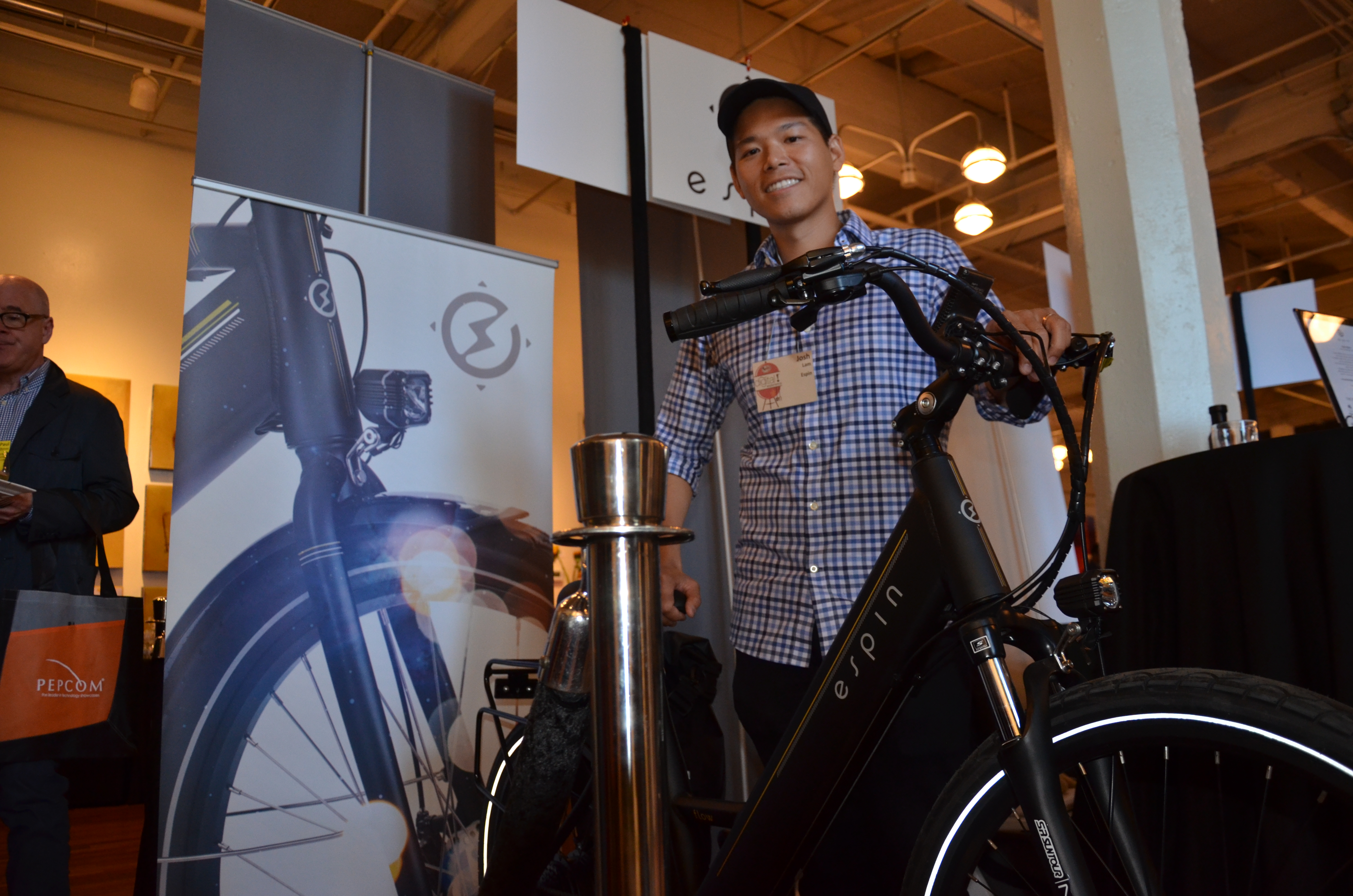
Josh Lam, creator of Espin eBikes, from San Francisco, displaying one of the models at the Pepcom Digital Experience Show.                                                                                                 Photo by Marcus Siu.

Article and photo by Marcus Siu

As population growth of Metropolitan cities such as the San Francisco Bay Area continue to surge to in record numbers, so are the ever increasing number of commuters, which translates to grid lock congestion on the streets of San Francisco.  With the ridership of public transportation service systems, such as the transit system and buses at maximum full capacity, what is the average commuter to do?

One possible solution was provided at the Pepcom Digital Experience show in San Francisco, where Josh Lam, co-founder of Espin bikes, was displaying his eBike line.

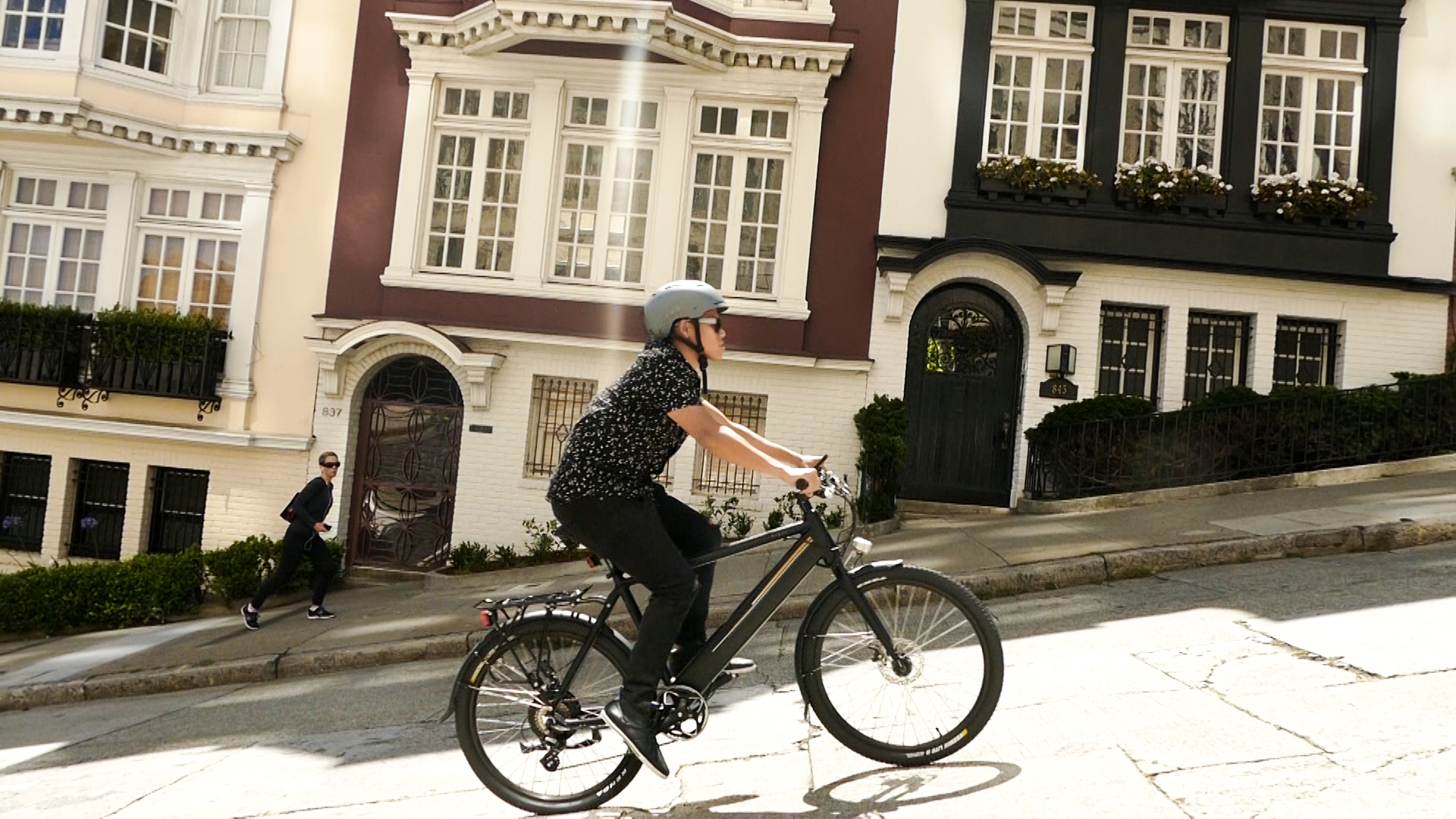
For those commuters who do not need to use the freeway, the Espin electric bike may be the perfect alternative solution to get around town.  It uses no gas, is parking friendly, and is able to zip through the streets where cars cannot.

These bikes, excuse the pun, are “geared” more towards the commuters in mind.

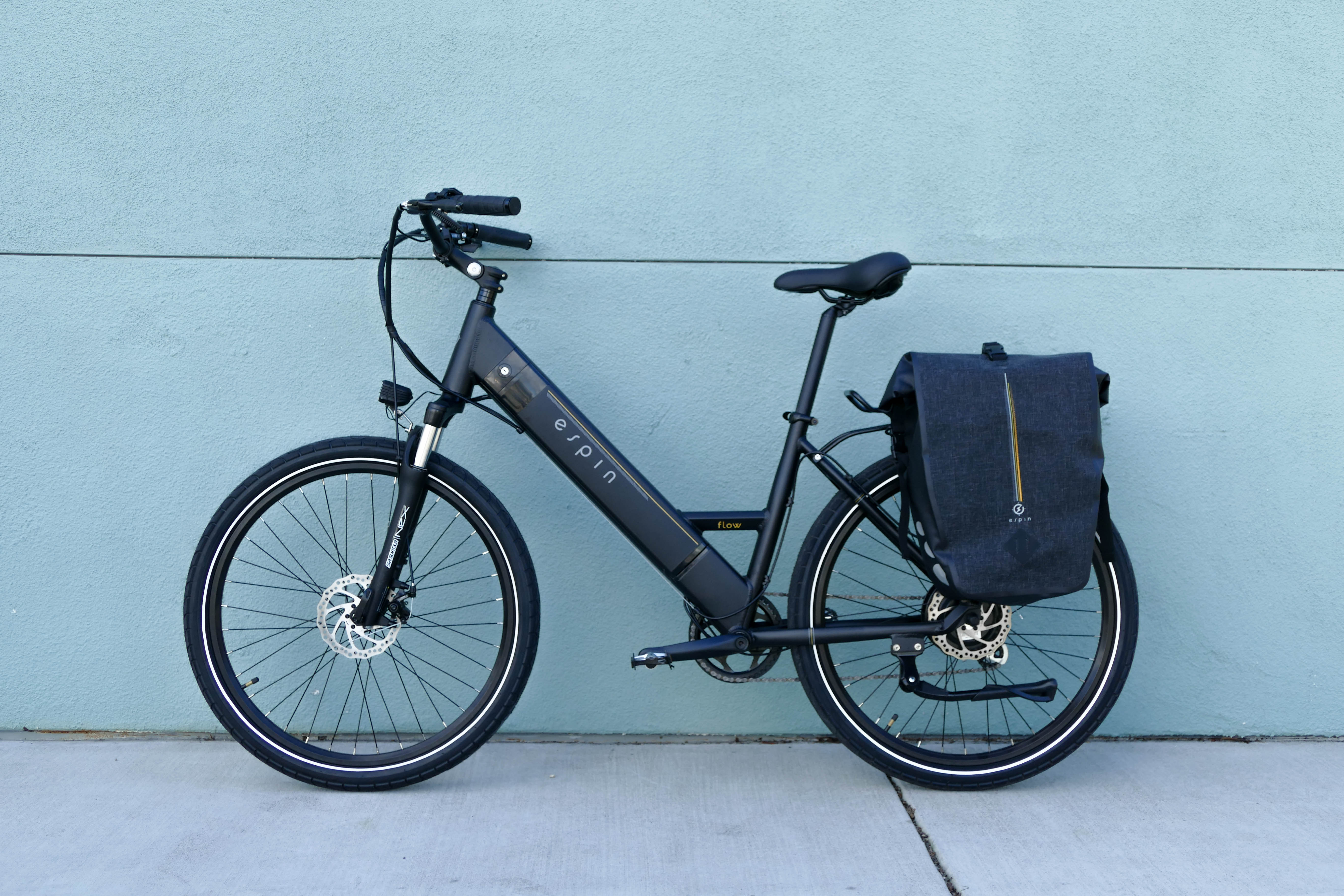
The Espin pedal assist bike contains a 350 watt motor, which starts the motor going immediately once pedaling.  It has a battery capacity of 25 miles per charge (20-40 mile range), which takes about 4-5 hours to charge.  Weighing in at about 47 pounds compared to 60-70 for conventional electric bikes, it goes up to a maximum 28 miles per hour, which means it technically doesn’t need a license since it is not classified as a vehicle, like electric scooters are.

There are five levels of power on the motor.  Zero means manual power or using your feet to pedal (i.e. The “Fred Flintstone” method) and Five meaning that you will most likely be going up a very steep hill.  It can go up San Francisco’s steepest hill, which is about a 32% grade.

The well concealed lithium-ion batteries are made by Panasonic, who also supplies Tesla’s electric vehicles.  They charge up to 500 times and last between two and four years.  You can buy additional batteries when needed.  The balloon tires were targeted for commuters or just people who need to run errands, like shopping for groceries.  The “sporty” Espin were targeted for more of the sports enthusiast, who like heads down cycling.

It comes with an odometer and a rack that can hold up to 55 pounds.


For many commuters who ride a traditional bike to work, they are dripping sweat upon arrival.  With electric bikes, you don’t have to struggle up and climb up a hill using your pedals.  You can cruise in electric mode with no sweat, if you prefer.  You also don’t need to shower immediately after arriving to work.  That saves time, as well.

According to Lam, the company was named after a famous Norwegian Fairy Tale character after “Espen Askeladden”, who was a favorite of Lam’s wife, Yina’s, as she was growing up during her childhood days in Norway.  Espen used creative tactics to conquer battles, always prevailing in the end and typically is able to think outside the box and come up with innovative solutions to problems they encounter, which is why they identified with the name.   It is also a play on words as “E-spin” means electric spin.

From what I understand from electric bike owners is that after owning an electric bike for awhile, they find it difficult to going back to the push and grind of the pedals on the traditional bike.  It’s all about the enjoyment of the ride now.  It becomes even more recreational than ever before but without expending as much energy.

However, for “authentic” bicyclists, who still prefer to pushing the medal to the pedal; its still an option, if they want to ride it that way.

List price: $1888.00

http://www.espinbikes.com

Posted in Technology | Leave a comment

LET’S GET READY TO RUMBLE AT DOLBY CINEMA: THE MOST IMMERSIVE MOVIE GOING EXPERIENCE YET…

Dolby_AMC. Courtesy of Dolby Laboratories.

Article by Marcus Siu

SAN FRANCISCO, CA – JULY 31, 2017:  Forty years ago, a little film called “Star Wars” opened up at about 40 theaters nationwide. The film’s distributor, 20th Century Fox had no idea if the movie was going to make any money for them.  Even creator George Lucas was thinking  it would be a flop.  Of course, as everyone knows, it would become a world phenomenon and become the highest grossing movie franchise of all time.

Part of its success had to be because of the fact that it was the first Dolby Surround film ever released.  It heightened the senses of the “movie going experience” with sound and it changed the way that audiences experienced going to movies thanks to Dolby Laboratories.

Ironically, at the time of its opening, of the 40 theaters that played Star Wars during its opening week, only three were equipped with Dolby sound systems.  However, that quickly changed, after the huge demand for “Star Wars” skyrocketed in popularity and the number of theaters increased to over 1,000.  Theaters jumped aboard to upgrade to Dolby Sound systems for their theaters so they could play “Star Wars”.

In addition, some of the high end theaters were equipped to play the film in 70mm and 6-track Dolby Stereo.  This was the ultimate presentation to showcase “Star Wars”.  This was the major reason why the lines went around the block two hours ahead of showtime and Dolby instantly became a household name.

Suddenly movie audiences (and movie theater owners) now realized that sound was as critical and just as important as the screen.  It made the Death Star, light sabers, laser blasts and even Darth Vader’s voice and nasal packages seem incredibly real and lifelike.  This added a new dimension to the sound and credibility to the story.

Now, nearly forty years later, Dolby Laboratories announced in early of 2015 that they were partnering in the U.S. with AMC Theaters to provide a new premium format called Dolby Cinema, which includes their award-winning technologies Dolby Vision and Dolby Atmos. Their objective is to make movie going the total cinema experience by combining a powerful image and sound technologies with inspired cinema design to make every visit a completely captivating cinematic event.

Dolby Cinema Signature Entrance and Audio Video Pathway. Photo courtesy of Dolby Laboratories.

And by George, after my recent trip to a Dolby Cinema in the Bay Area, I am happy to report that they have succeeded with high honors.  Cinema does not get any better than this and sight and sound has never “felt” better.  It’s as though they have achieved yet another important milestone level of cinema going, just like they did back in 1977.

By far, even in its infancy, Dolby Cinema is the the most ultimate immersive movie going experience for your box-office movies, or any movies for that matter. Audiences will be transported to a new conscious level and will certainly have a greater appreciation for filmmakers, especially for sound designers after experiencing Dolby Cinema, even if it’s not the very latest “Star Wars” movie.

Dolby Cinema opens even more senses for audiences than ever before that have never been experienced in a darkened theater.

For those who haven’t heard about Dolby Vision; it is state-of-the-art authoring and playback imaging technology that enables the cinema to bring the story alive onscreen, using laser projectors, which was awarded an engineering excellence award from the Hollywood Post Alliance, equipped with Dolby Atmos, which moves audio around the cinema, even overhead, with amazing richness and depth transporting moviegoers with the most realistic sound around them and above them. These projectors create the darkest darks and the brightest whites, with a 1,000,000 to 1 contrast ratio.

Which basically means the best presentation of sight and sound possible for your feature presentation…with or without popcorn.

I was enamored by the larger screen which has never looked more brighter and colorful, with trillions of colors from Dolby’s state of the art projector, along with the sound field from the soundtrack moving all around the auditorium, including from the ceiling which adds so much more depth and realism.

Also, your own reserved luxury chair is also part of the Dolby Cinema experience and is sort of part of the ride.  For the most part, the plush recliner allows you to relax with the option of sitting upright or laying part way or all the way back.  During other times when the action gets going, I would recommend holding on to your high powered pulsating recliner seats…and to get ready to rumble!!!  Think of it as like “the force”.

Not since Star Wars, which Dolby brought to life through sound processing, opening new senses of sound, have I experienced a cinematic breakthrough like this.   Whether it’s “La La Land”, “Wonder Woman”, “Baby Driver” or “Dunkirk”, Dolby Cinema has set the new standard for the ultimate movie going experience.

I still wonder how the AMC Theaters manage to soundproof the theater so that the rest of the regular house theaters outside don’t hear the high decibels coming from the Dolby Cinema theater.  The design of the auditorium is also state of the art.

Nowadays, with the trend of other competing movie theaters offering premium format options for just a few dollars more than your regular movie ticket price, you get upgraded features (larger screens and better sound), along with more comfortable seats.  They are clearly more superior to their “regular” theaters, but they are no match when compared to the state of the art, Dolby Cinema.

After you experience Dolby Cinema, you will be moved in more ways than one…and there is no going back…at least not in this galaxy.


Currently, there are 75 Dolby Cinemas located throughout the U.S. and 105 globally.  There are more than 325 Dolby Cinema sites installed or committed to across the globe.

Here is a listing of titles that have been pre-selected as Dolby Cinema titles:

Warner Bros. Pictures, Dunkirk, July 21, 2017
Focus Features, Atomic Blonde, July 28, 2017
Columbia Pictures/MRC, The Dark Tower, August 4, 2017
New Line Cinema, Annabelle: Creation, August 11, 2017
Warner Bros. Pictures, Happy Family, August 24, 2017 (Germany)
New Line Cinema, IT, September 8, 2017
Warner Bros. Pictures/Village Roadshow Pictures/LEGO System A/S, The LEGO® NINJAGO Movie, September 22, 2017
Twentieth Century Fox, Kingsman: The Golden Circle, September 22, 2017
Columbia Pictures, Flatliners, September 29, 2017
Columbia Pictures/Warner Bros. Pictures/Alcon Entertainment, Blade Runner 2049, October 6, 2017
Columbia Pictures, Granite Mountain Hotshots, October 20, 2017
Warner Bros. Pictures, Justice League, November 17, 2017
Focus Features, Darkest Hour, November 22, 2017
Columbia Pictures, Jumanji: Welcome to the Jungle, December 20, 2017
Warner Bros. Pictures, Horse Soldiers, January 19, 2018

Posted in Entertainment | Tagged , , | Leave a comment

INTERSOLAR AND EES NORTH AMERICA SEE STRONG OPENING IN SAN FRANCISCO

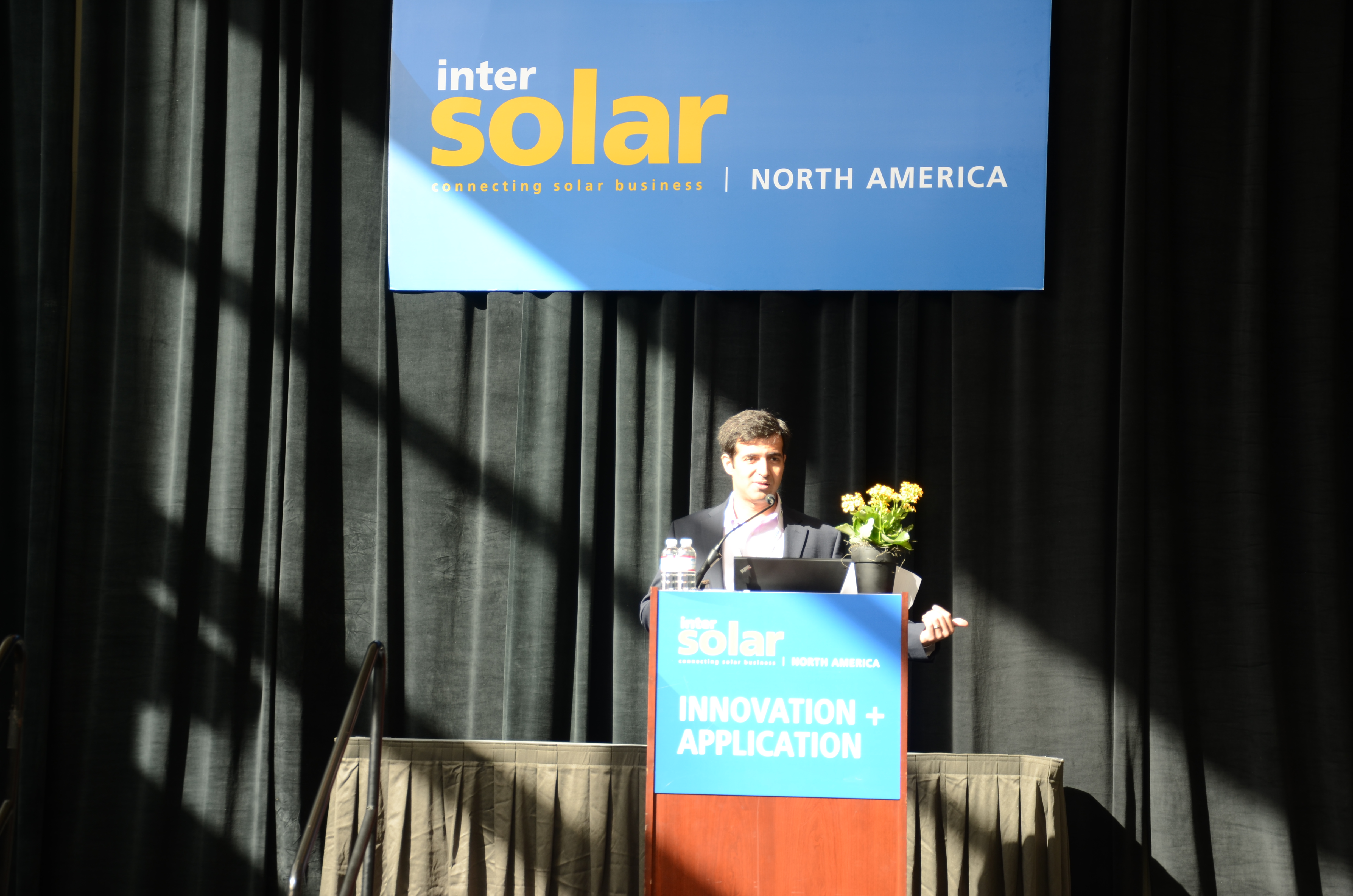
Ravi Manghani, Director of Energy, Storage/GTM Research, addresses the crowd at Intersolar at Moscone West. Photo by Marcus Siu

SAN FRANCISCO, JULY 12, 2017 – Intersolar and ees North America, the solar and energy storage industries’ premier events dedicated to the North American market, today welcomed speakers, visitors and exhibitors to its tenth year in San Francisco. Over the course of the next three days, approximately 18,000 visitors from across the world will see the latest solar and energy storage innovations from more than 500 companies during the Intersolar and ees North America exhibitions. The co-located conferences, which began Monday, will feature in-depth commentary from more than 220 speakers, and provide expert insights into the challenges and opportunities facing the solar and storage industries.

With over 2 GW of new solar capacity installed in the first quarter of 2017 alone, the U.S. solar industry is continuing its record of strong growth. GTM Research forecasts an impressive 12.6 GW of new PV to be built by the end of the year. In front of a packed house of solar industry professionals, policymakers, and financiers, the speakers at this year’s keynote session detailed how to maintain this growth, and the importance of storage in bringing more renewable energy online.

Building on the energy in the room, Martin Keller, director of the National Renewable Energy Laboratory (NREL), discussed the importance of continued innovation in the solar sector. “We can grow the amount of solar currently online by linking new materials with new manufacturing technologies. We can get to 80 percent renewables in the US and we can continue to drive innovation.”

“The thing about our energy grid is that it is not only energy inefficient but it is financially inefficient,” said 2017 Champion of Change honoree Richard L. Kauffman. “There are ample opportunities for utilities to earn shared savings from improving efficiency, and solar and storage can help utilities realize its promise.”

San Francisco, CA – July 10 , 2017: Intersolar North America 2017. © Solar Promotion International GmbH

Throughout each keynote, speakers not only reflected on the advancements of the solar and energy storage industries over the past year, but also highlighted the tremendous amount of work yet to be done to fuel a clean energy future for all. In speaking of the recent wins for the solar industry in California, Bernadette del Chiaro, the executive director of the California Solar Energy Industries Association (CALSEIA), described the strides the industry has made since the first Intersolar North America.

“It’s pretty amazing if you think about how much the solar industry has grown and changed in California over the past 10 years,” del Chiaro said. “Now, energy storage is basically at the same point as solar was 10 years ago, with a couple of initiatives to make energy as affordable and accessible for the emergence of PV market.”

Declining technology costs are one of the factors driving the market’s growth—with a 75 percent reduction in cost in the past decade, more price reductions are expected. The innovation and dedication that have reduced costs throughout the solar and energy storage industries are now shaping the way that policy makers consider energy efficiency programs and sustainability roadmaps for our American future.

Bernadette Del Chiaro, Executive Director of CALSEIA at the press conference at Moscone West. Photo by Marcus Siu.

“Each year, Intersolar and ees North America showcase the emerging technologies and latest trends impacting the growth of the solar and energy storage industries,” said Florian Wessendorf, and Daniel Strowitzki, Managing Directors of Intersolar North America, in a joint statement. “2017 is no exception, with a new solar finance conference track and an expanded energy storage exhibition hall giving attendees the inside scoop on these popular and rapidly evolving sectors. We know that the conversations that happen in our conference sessions and on the exhibition floor form the backbone of solar policy and technology development across the United States.”

“Intersolar is the place to be,” said Elena Lucas, keynote speaker, co-founder and director at UtilityAPI. “This is where you can network and meet the people who have the ideas to reduce soft costs of solar, customer acquisition costs.”

Posted in Uncategorized | Tagged , , , , | Leave a comment

AWE 2017 AUGMENTED WORLD EXPO – SUPERPOWERS TO CHANGE THE WORLD

Article and photos by Marcus Siu

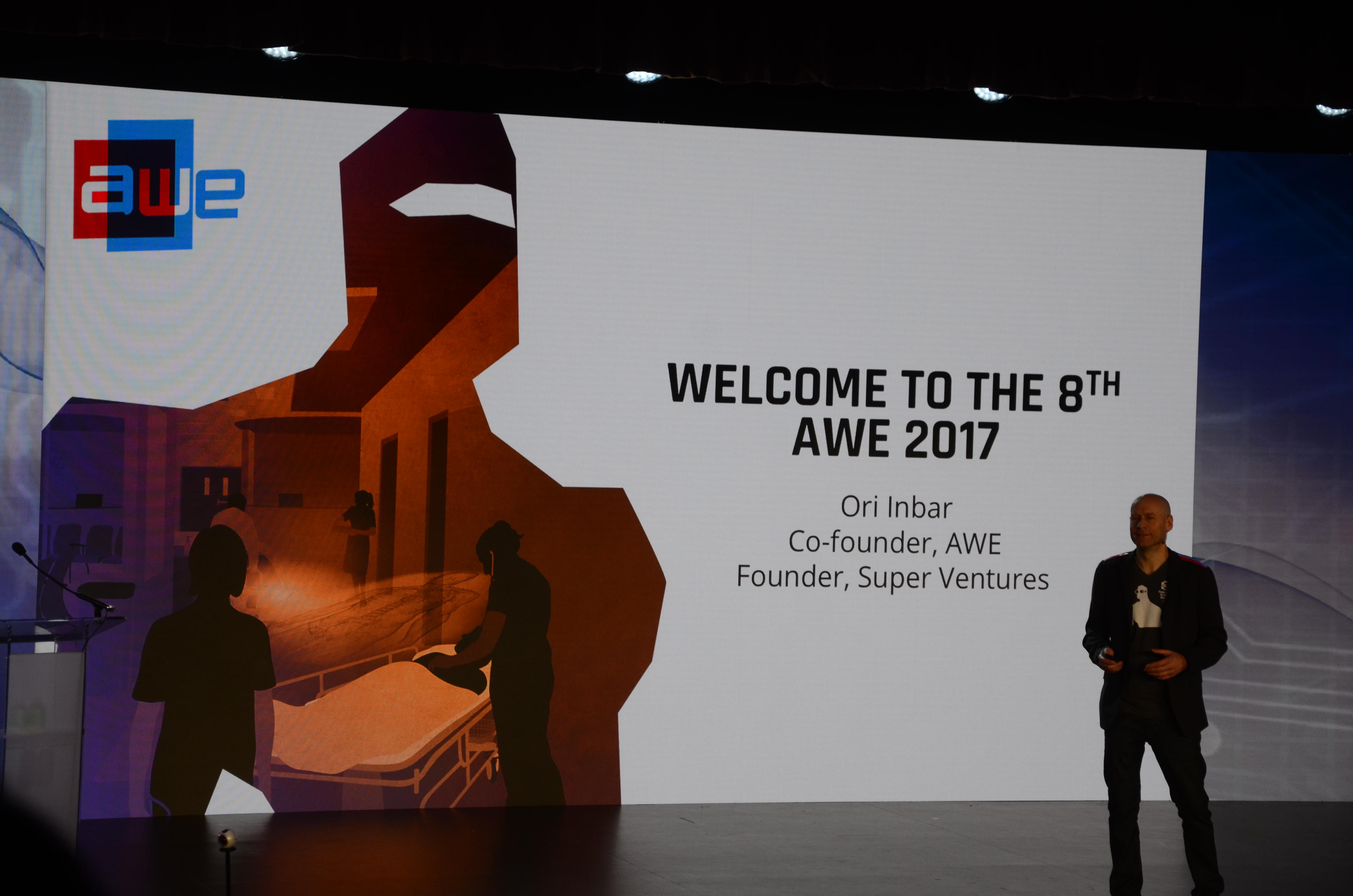
Founder and Executive Producer, Ori Inbar at AWE2017. Photo by Marcus Siu.

SANTA CLARA, JUNE 2, 2017 – When the first Augmented World Expo happened in 2010, founder and CEO of AWE, Ori Inbar predicted that in ten years ”everyone will be using AR with experience reality in a more meaningful way”. Ten years would make it the year, 2020.

As we get closer to 2020 and look at how far AWE has gone as the 8th annual AWE comes to an end yesterday, we may have to call Inbar a visionary. He called the shot, and with another two years left, he may be right. Even Digi-Capital just published an article stating that mobile AR will top a billion users and be a $60 billion dollar industry by 2021, so there is conclusive evidence that others will agree with him.

AWE is the largest AR+VR conference and expo in the world and currently has 10,000 attendees. In addition to conferences in the U.S., they also make their presence in Asia and Europe. This year, they have utilized much more space compared to previous years, filling up the 100,000 square feet expo floor at the Santa Clara Convention Center. In addition, as well as seeing the attendance numbers drastically increasing exponentially, AWE will be promoting their conferences in even more countries around the world.

For this years’ show, there were 5000 professionals from startups, corporations and investors. It was a truly international affair, as many professionals came from everywhere around the globe. There were also over 300 speakers, and well over 200 exhibitors.

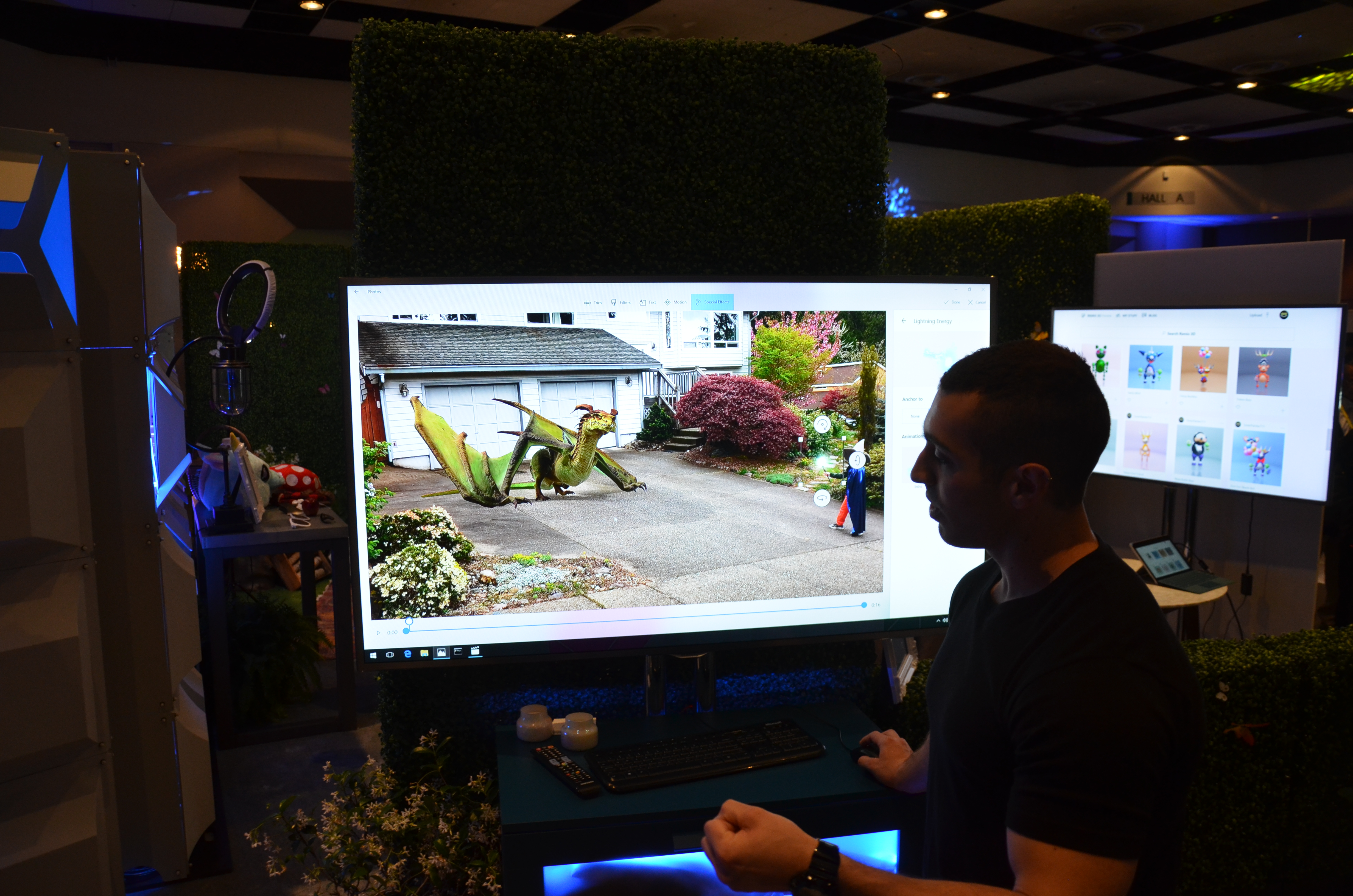
Mixed Reality and 3D experiences from Microsoft at the AWE Playground. Photo by Marcus Siu.

Part of that is due to the fact that many Fortune 500 companies realized that AR+VR is the latest platform of tomorrow. Many major mainstream companies include Walmart, Lowe’s, NASA, Shazam, Technicolor, Audi and Bosch, in which many are making their very first appearance at AWE.

Many of the high profile technology companies are also making their mark in a flashier way, such as Microsoft and Google, as well as the usual AR & VR startup companies, such as ODG, DAQRI, Kopin, Meta and Wikitude. Inbar points out that the media is focusing more on the Fortune 1000 companies becoming the fastest sector of this technology, but that they should really focus on the upstarts that are going to make a mark on the industry.

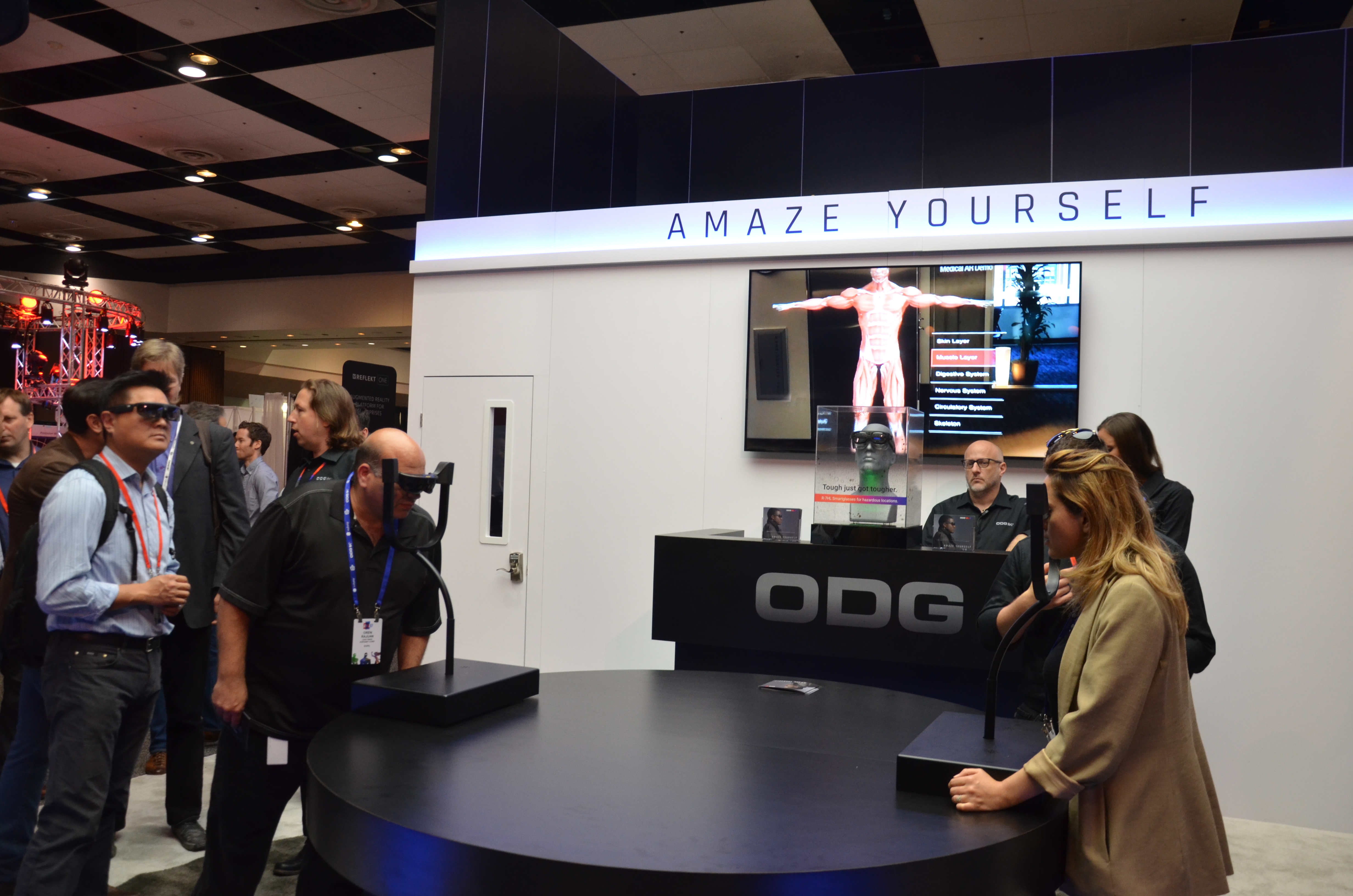
ODG continues to dazzle the AWE attendees with its demos for the R-8 and R-9 smart glasses. Photo by Marcus Siu.

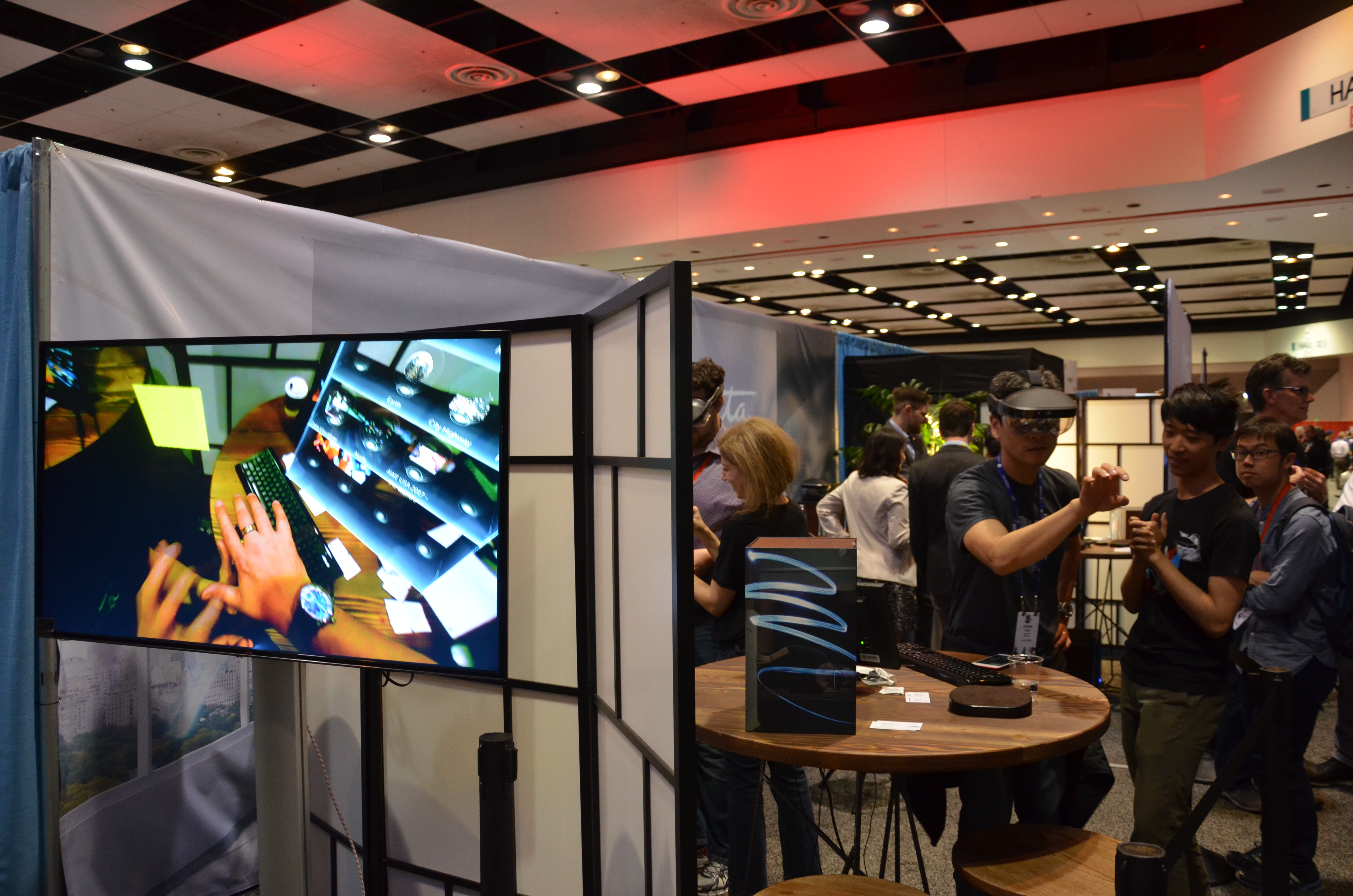
Meta’s demo had the longest lines on the floor and ultimately took an Auggie Award for Best in Show AR. Photo by Marcus Siu.

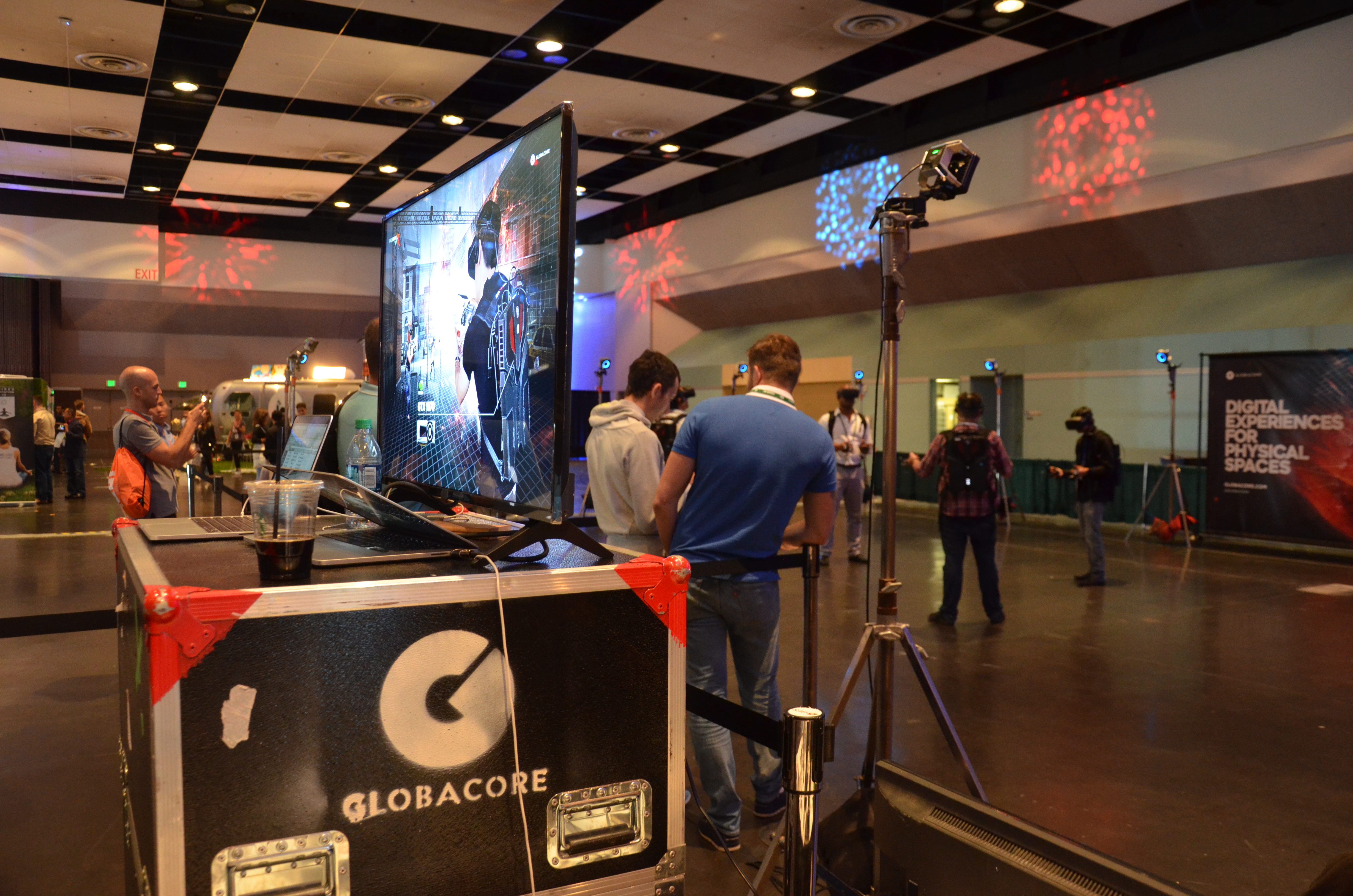
The AWE Playground was a nice new addition this year. It featured many immersive and interactive demos. Though I didn’t have time to visit each demo, I did get a chance to try out a few, including PuttView’s AR Golf Practice, Epson + DJI + Edgybees new drone based AR gaming platform, and a group VR experience with Globacore’s Free Roam VR “The Yolodeck” which I absolutely loved. I was also impressed with Quantum Capture’s Virtual Humans who can 3D scan a real person, such as Ori Inbar or Guillermo Del Toro, and make him as real as can be in the VR world.

Globacore’s Free Roam VR “The Yolodeck” at the VR Playground. Photo by Marcus Siu.

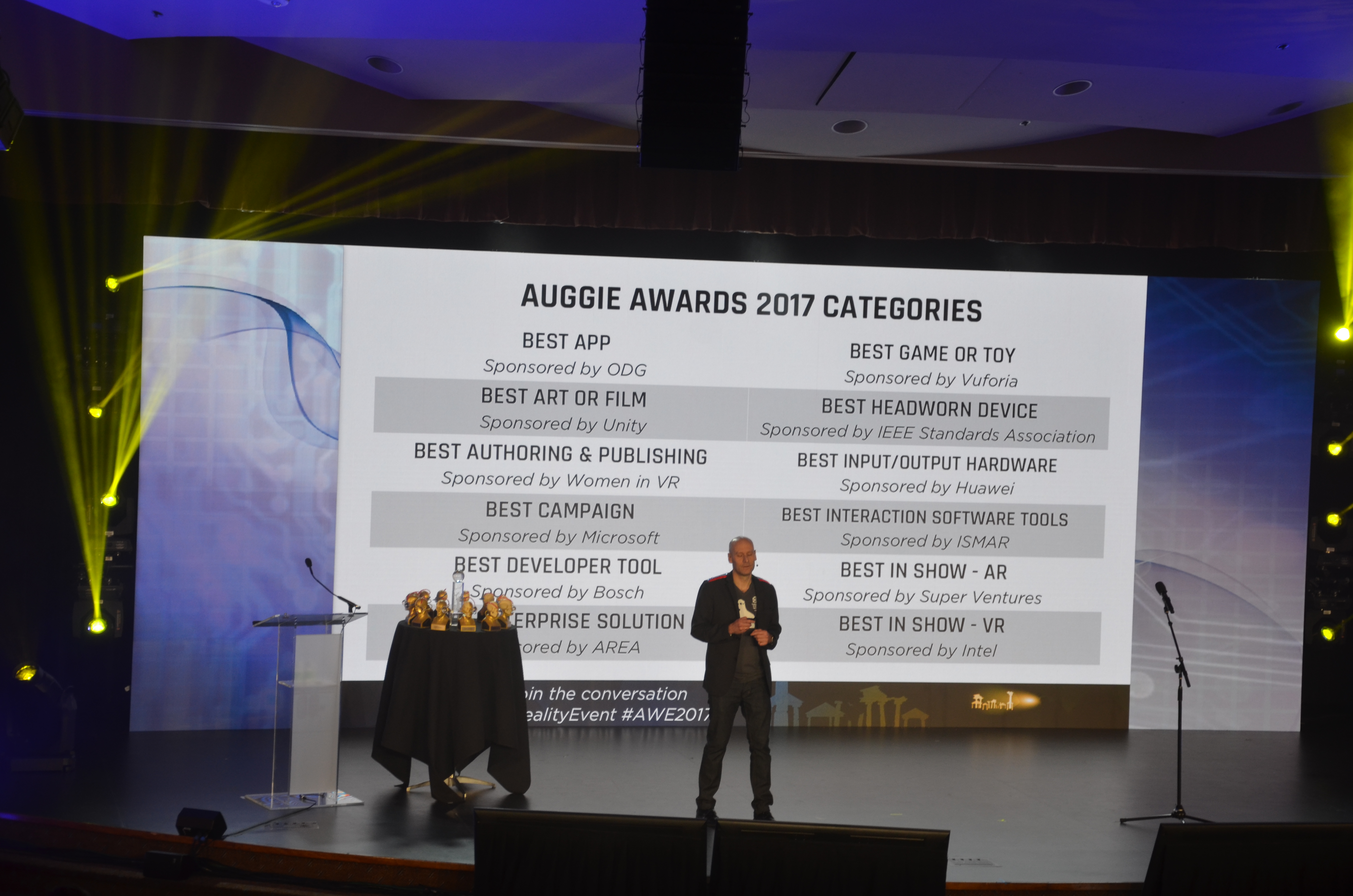
Ori Inbar at the Auggie Awards at AWE2017. Photo by Marcus Siu.

Posted in Technology | Tagged , , , | Leave a comment

NVIDIA’S GPU 2017: A.I. – ARTIFICIAL INTELLIGENCE IS HERE AND THE ROBOTS ARE MAKING GOALS…

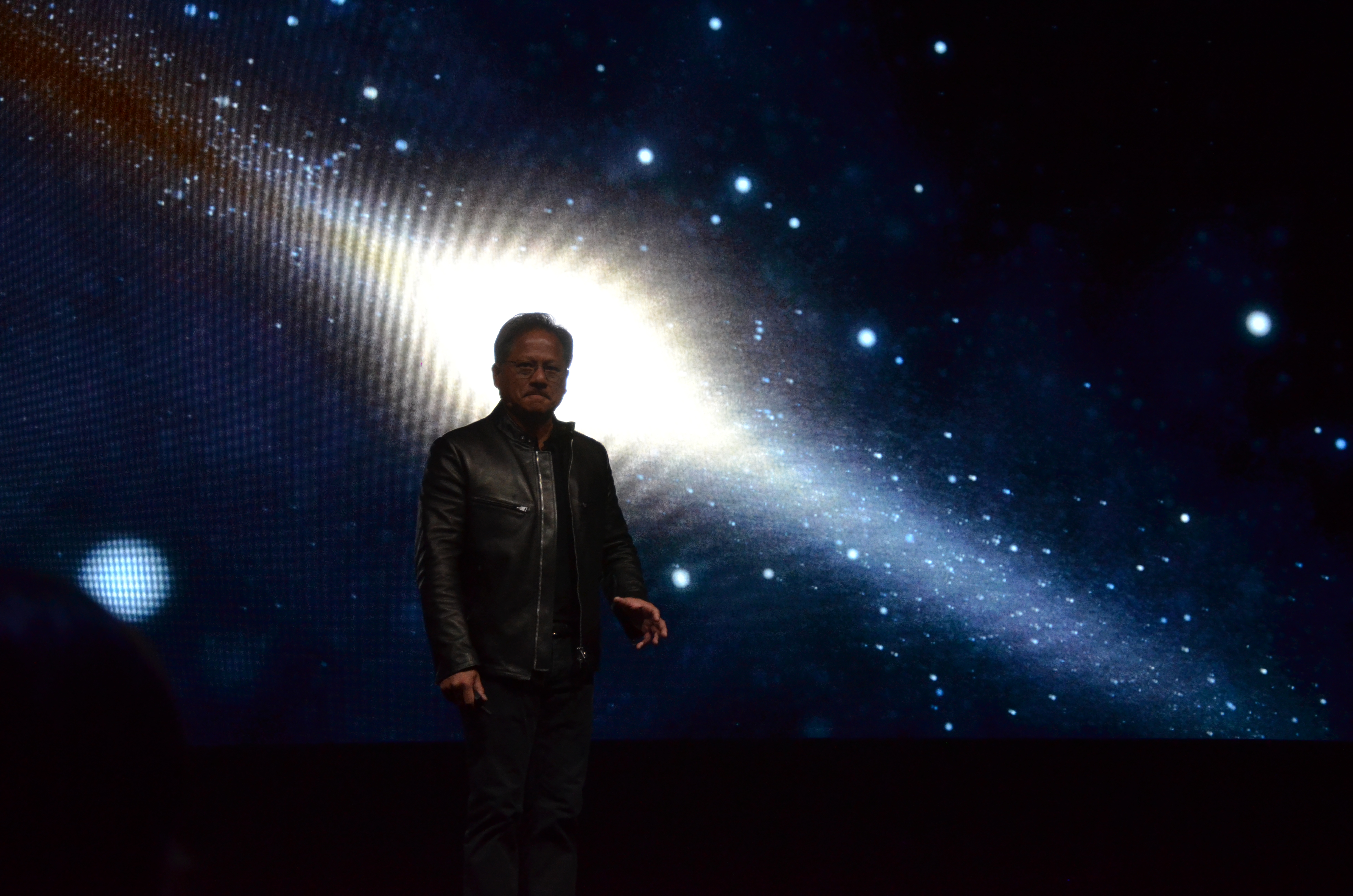
CEO Jensen Huang of Nvidia addresses the crowd at the GPU2017 conference at the San Jose Convention Center. Photo by Marcus Siu.

Article and photos by Marcus Siu

SAN JOSE, MAY 10, 2017 – The grandiose trailer starts off with a female voice narrator as she introduces herself as a “visionary”, “healer”, “protector”, “helper”, “navigator”, creator”, “teacher”, “learner” and even the composer of the powerful orchestral soundtrack. She is “A.I.”.

From the intro, the crowd knew from the very beginning that CEO and founder Jensen Huang’s keynote at NVIDIA’s GPU 2017 conference was not only going to be very special, but groundbreaking and mind bending with a glimpse of the not to distant future of Artificial Intelligence.

A.I. was the dominating theme this year at the conference. There were 600 talks in which 300 of them were about Artificial Intelligence.

This year, the rise of GPU computing is reflected by the number of GTC attendees. It’s attendance has increased threefold in the last five years, to 7,000 attendees. There was an 11X increase in GPU developers over the same time to more than 500,000 today, and downloads of NVIDIA’s CUDA drivers and SDK’s exceeded one million a year ago. This year, Nvidia has taken GTC globally. All the top 15 technology companies are here, as well as the top 10 car companies.

Huang started off his keynote showing the charts of Moore’s Law over the last 30 years, citing that advanced micro processing, with the assistance of Dennard’s law of scaling, utilizing more transistors with a reduced voltage, allowed microprocessor performance by a million times. But now both are at the end of the roads, as once 50% per year in increased performance is now just 10% per year, which is why they created a domain specific accelerator that complements the CPU, as well as creating CUDA, which many believe is Moore’s Law Squared; a speedup over the natural processor performance.

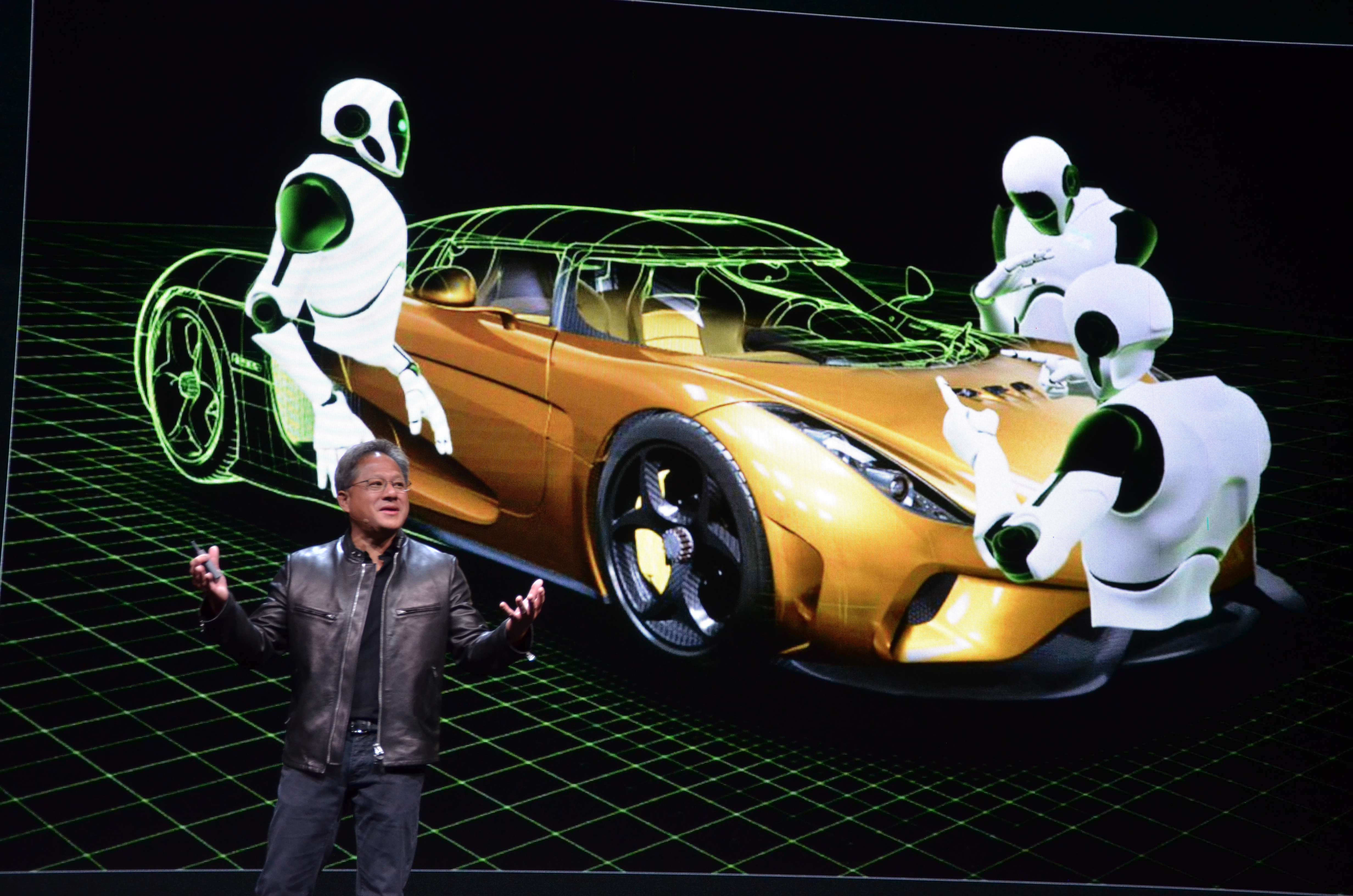
CEO Jensen Huang of Nvidia shows the virtual showroom for the latest hybrid car with four avatar onlookers gazing at the detail. Photo by Marcus Siu.

The first demo featured Project Holodeck; a photorealistic VR, combining a shared experience for four avatars from around the world, featuring Huang’s “hyper-car-making friend” Christian from Sweden. Christian was showcasing the new company 1.9-million-dollar hybrid car that he just designed, made of carbon fiber with three electric motors, direct drive and no gears with a combustion engine that has 1,200 horsepower, 680 horsepower of electric drive… and that can run from 0 to 250 in 20 seconds. Huang asked Christian to go into the interior of the car and grab the steering wheel. When he obliged, instead of his hands going right through it like we are so accustomed in today’s VR world, Christian’s hands settled right on top of it, obeying the laws of physics.

All the inventory parts are shown in mid air as CEO Jensen Huang of Nvidia looks on. Photo by Marcus Siu.

When Huang asks to see all the parts of the car, we see them each in every piece scattered in mid-air with thousands of parts floating and then reassembling itself back to its original form.

In the era of machine learning, GPU computing has entered a new era where machine learning has come about; Amazon’s “if you like this, you’ll like this” is an example of machine learning. Software writes software and algorithms write algorithms; thanks to deep learning, powerful GPU’s, with the tremendous amounts of data being generated. Unsupervised learning fills the missing parts of the data where computers automate programs.

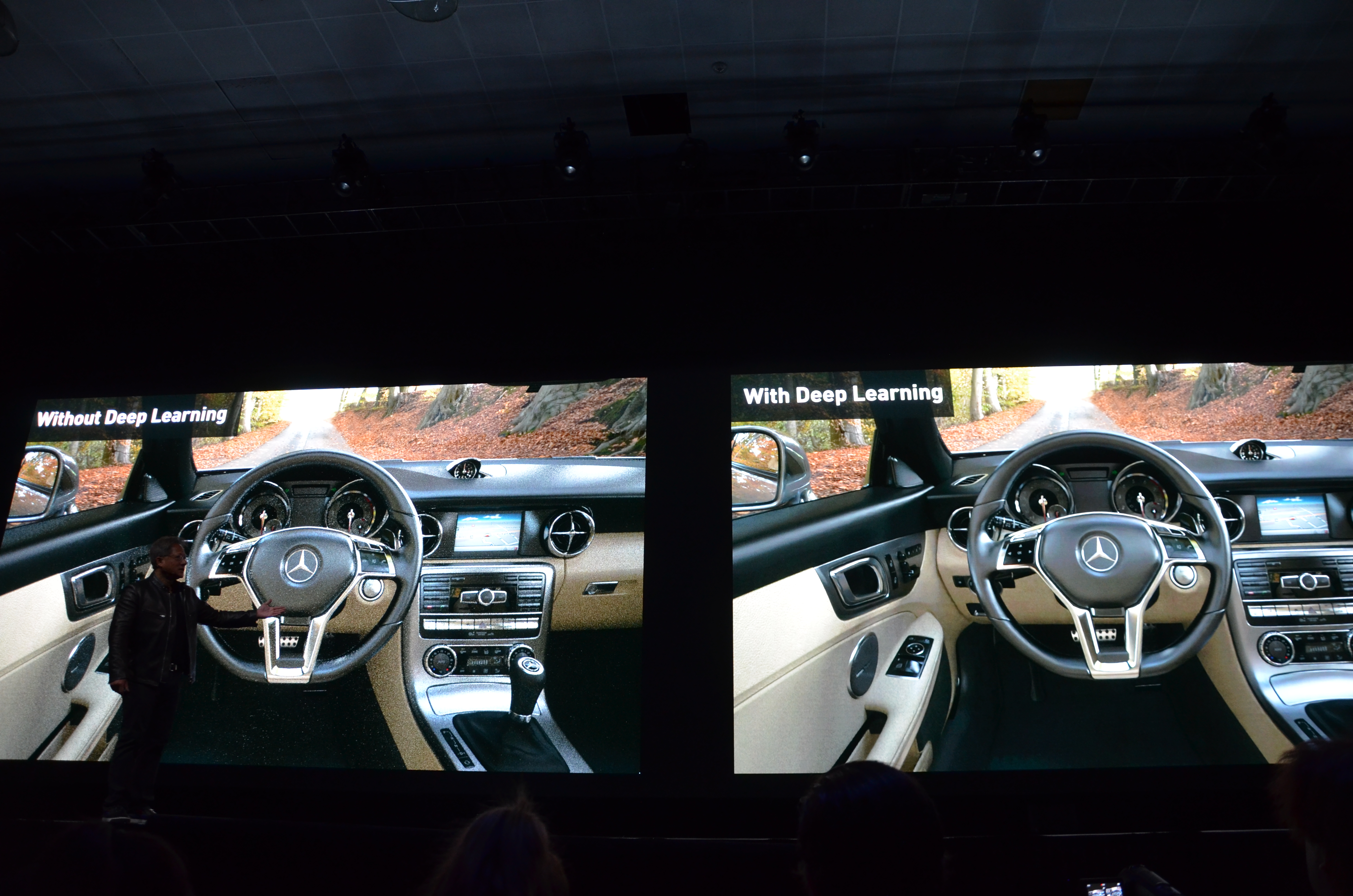
A demo compared a pair of simulated Mercedes SLK350’s and a landscape with trees and clouds, one which used deep learning for Ray Tracing and one that didn’t. It was night and day and the Ray Tracing just takes seconds for the encoders to render.

Without Deep Learning shows how much noise there is compared to Deep Learning. Photo by Marcus Siu.

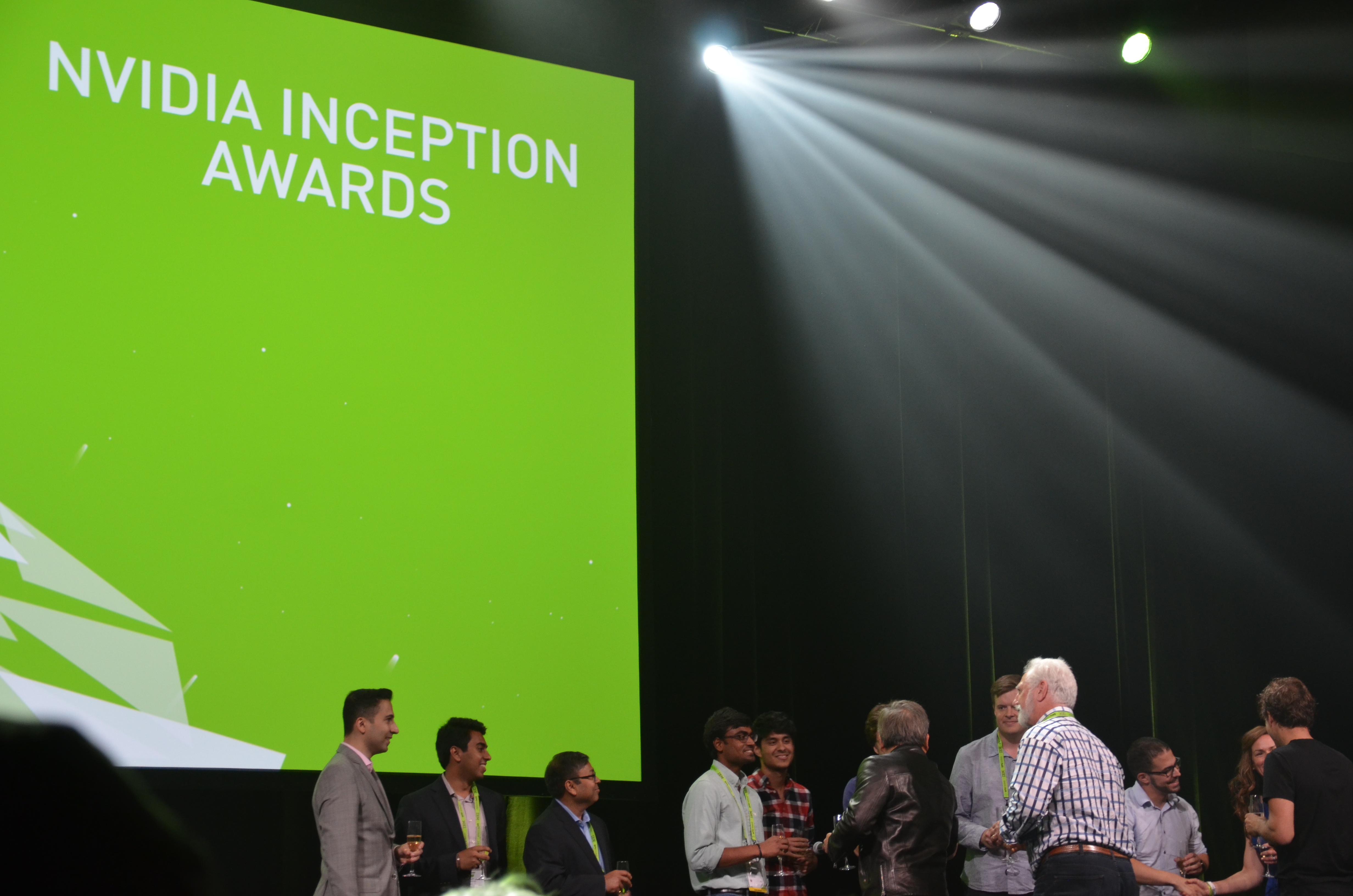
Nvidia’s Research Group has deeply committed itself with A.I. There are 1,300 Deep Learning startups that gets advice and technology and Marketing help from Nvidia, and sometimes even funding. Later in the afternoon on the day of the keynote, $1.5 million was handed out to six companies at the Inception Awards. Even at Huang’s alma mater, Stanford University, the most popular course is not Home Economics, but “Intro to Machine Learning”, which is taken from all majors across campus.

Co founders Jensen Huang and Chris Malachowsky congratulates recipients at The Inception Awards in San Jose, California. Photo by Marcus Siu

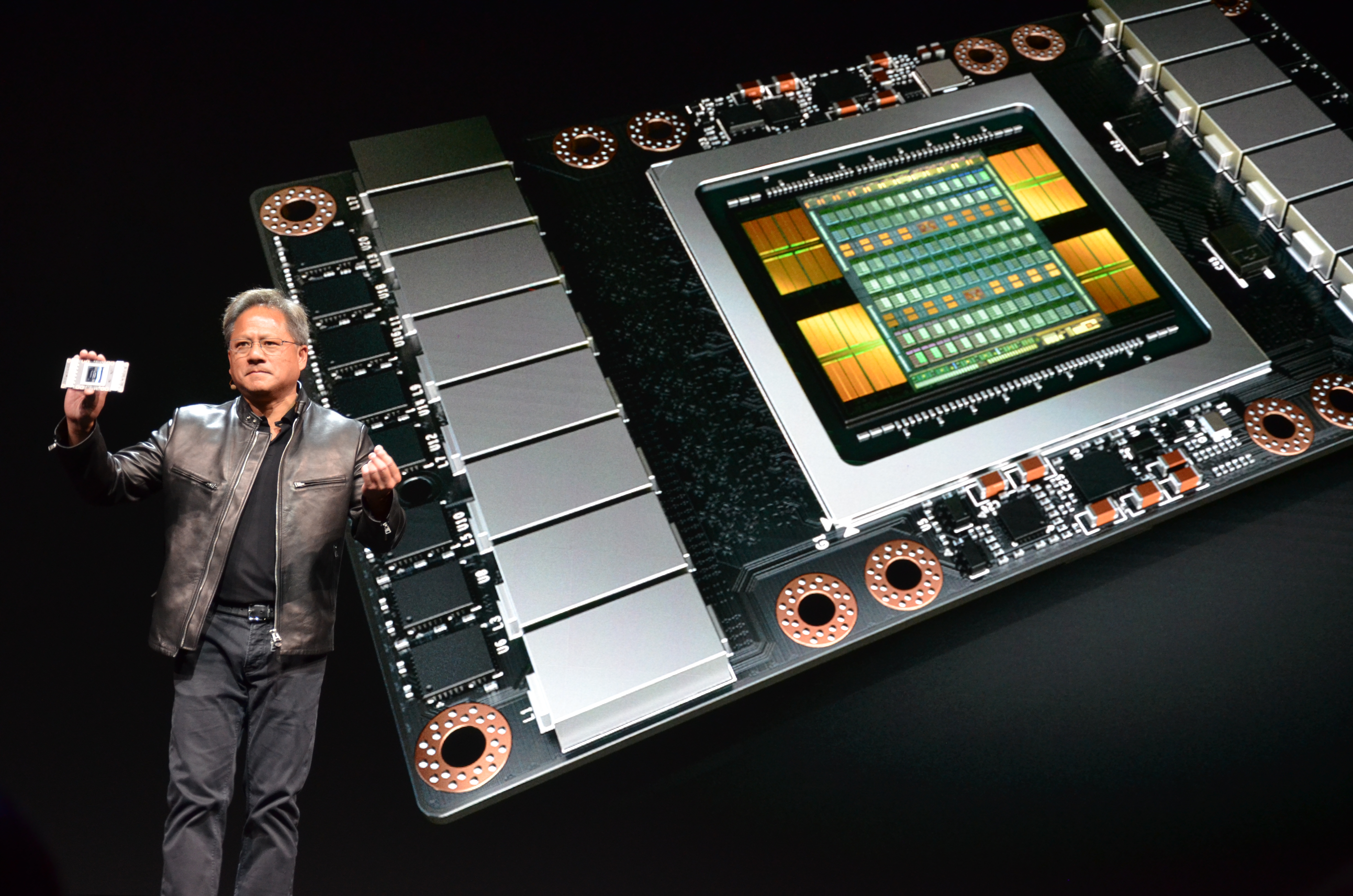
Nvidia’s biggest news was the announcement of their next level of computer projects, which turned out to cost about $3 billion R&D project, called the Tesla Volta V100. This new architecture was built from the ground up for deep learning, both for training and inferencing.

The company surpassed Microsoft’s ResNet, Baidu’s Deep Speech 2, and even Google’s NMT. It’s made on TSMC’s 12nm FFN, has 5,120 CUDA cores and 120 TeraFLOPs and Tensor Core processors.

Though it’s mainly for A.I., it does unbelievable graphics as shown on the Japanese sci-fi fantasy, “Kingsglaive: Final Fantasy XV” by Square Enix, which was featured as a demo during the keynote. Photographic style transfer also uses deep learning, with deep learning from one style and applying it to another in a matter of seconds.

Huang announced that you’ll be able to find Volta in just about everywhere; in the cloud, data center with a Volta the DGX-1 supercomputer, and in a personal DGX station.

CEO Jensen Huang introduces The Volta. Photo by Marcus Siu

A.I. will soon be revolutionizing transportation. Huang points out that we need to find a way automate so we can keep up with the “Amazon Effect”.

“Everything that moves someday will be augmented by autonomy. We’re enjoying the Amazon Effect. As we buy things, don’t forget we used to go to the store to pick up things but now we expect things to come to us. The number of truck drivers, transportation professionals can’t possibly keep up…”.

“Our environment would be better without parked cars… There are 800 million parking spots in America for only 250 million cars. That’s why we’ve created NVIDIA Drive, a full stack that will deliver full autonomy for cars.”

We now have more than 200 developers using DRIVE PX. This is a 50 percent increase in the past quarter alone. NVIDIA Drive can be used for mapping, as a co-pilot and as your guardian angel, so even when the car isn’t driving you, it should be watching out for you. For mapping and driving, a video that shows how a car makes an HD map and localizes itself within it. This shows how a car scans, detects road features, constructs an HD road map and then locates itself. Huang shows on a video how, even though the test pilot is behind the steering wheel, it cuts to the guardian angel, which tells driver not to proceed because there’s a car coming across the intersecting road running through a red light.

In addition to autonomous cars, Huang mentioned that some of their partners are working on autonomous planes and ships.

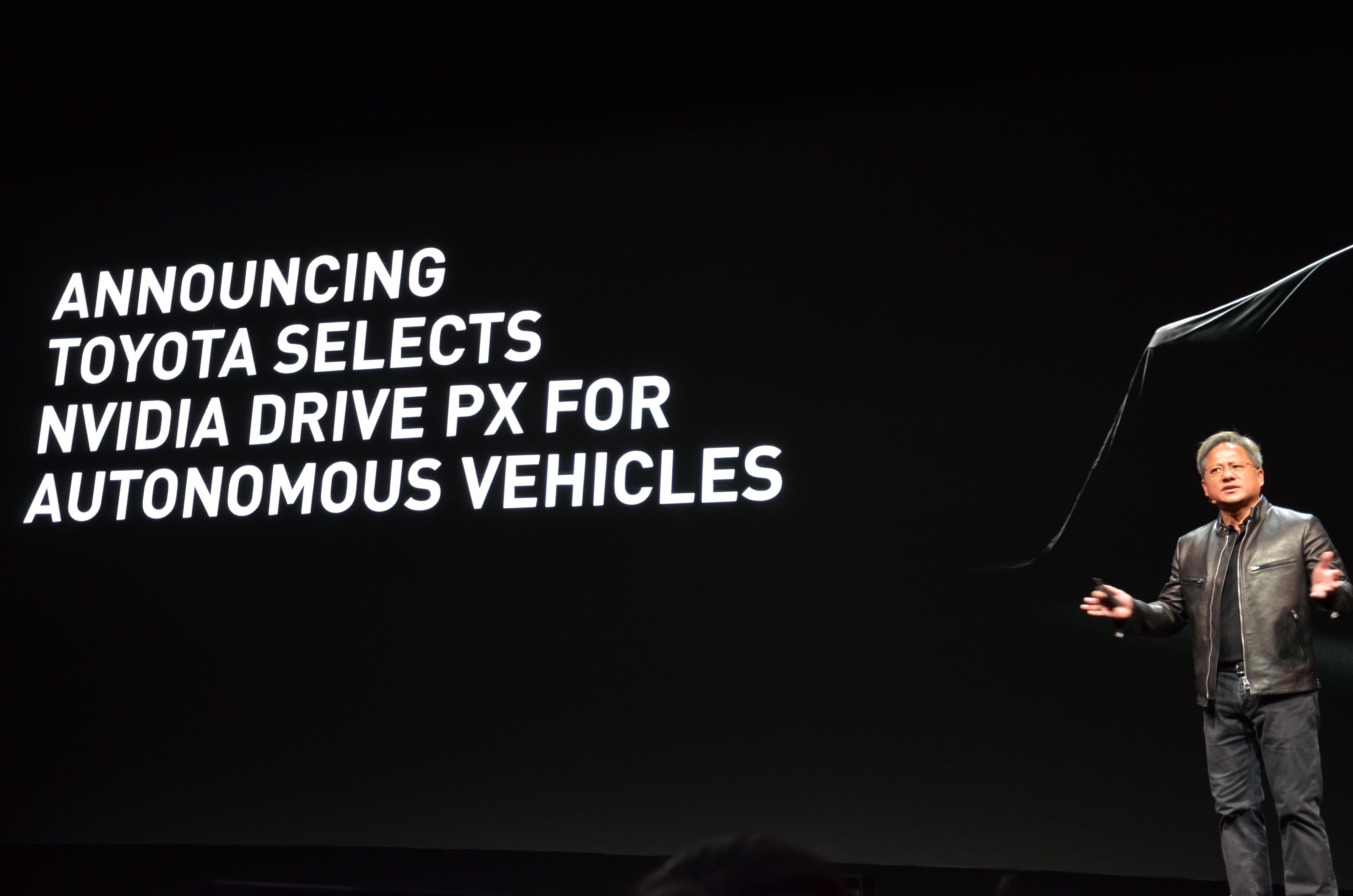
Nvidia’s announced Toyota, one of the largest companies in the world, has selected them for its self-driving vehicles. The two engineering teams are working to create their fully autonomous car and put it on the road in the next few years. Toyota chose Nvidia’s Drive PX platform for their self driving cars.

CEO Jensen Huang of Nvidia announces a new partnership with Toyota, who selects Nvidia’s Drive PX for their autonomous cars. Photo by Marcus Siu

In addition, Xavier DLA, which is the module that goes inside the Drive PX will be open sourced, making Nvidia’s best technology available for everyone. “Our goal is proliferation,” Huang stated.

Huang also discussed robots.

“The robot is the ultimate version of artificial intelligence. It’s going to revolutionize a whole slew of new industries from manufacturing to health care. We know that robotic surgery is able to perform surgeries that we simply can’t imagine. In the future, we’re going to have cybernetics. We’re going to have robots that are connected to parts of our body. We’re going to have tiny robots that’s going to take care of various tasks.”

“Robots, unfortunately, are incredibly hard to do… It has to sense the world… it has to learn from it and and plan and take action, but it has to interact with the world. With a self driving car, a specific objective is collision avoidance. In a case of robot collision detection is essential – your goal is to connect, your goal is to collide…how you collide is very difficult to do…”.

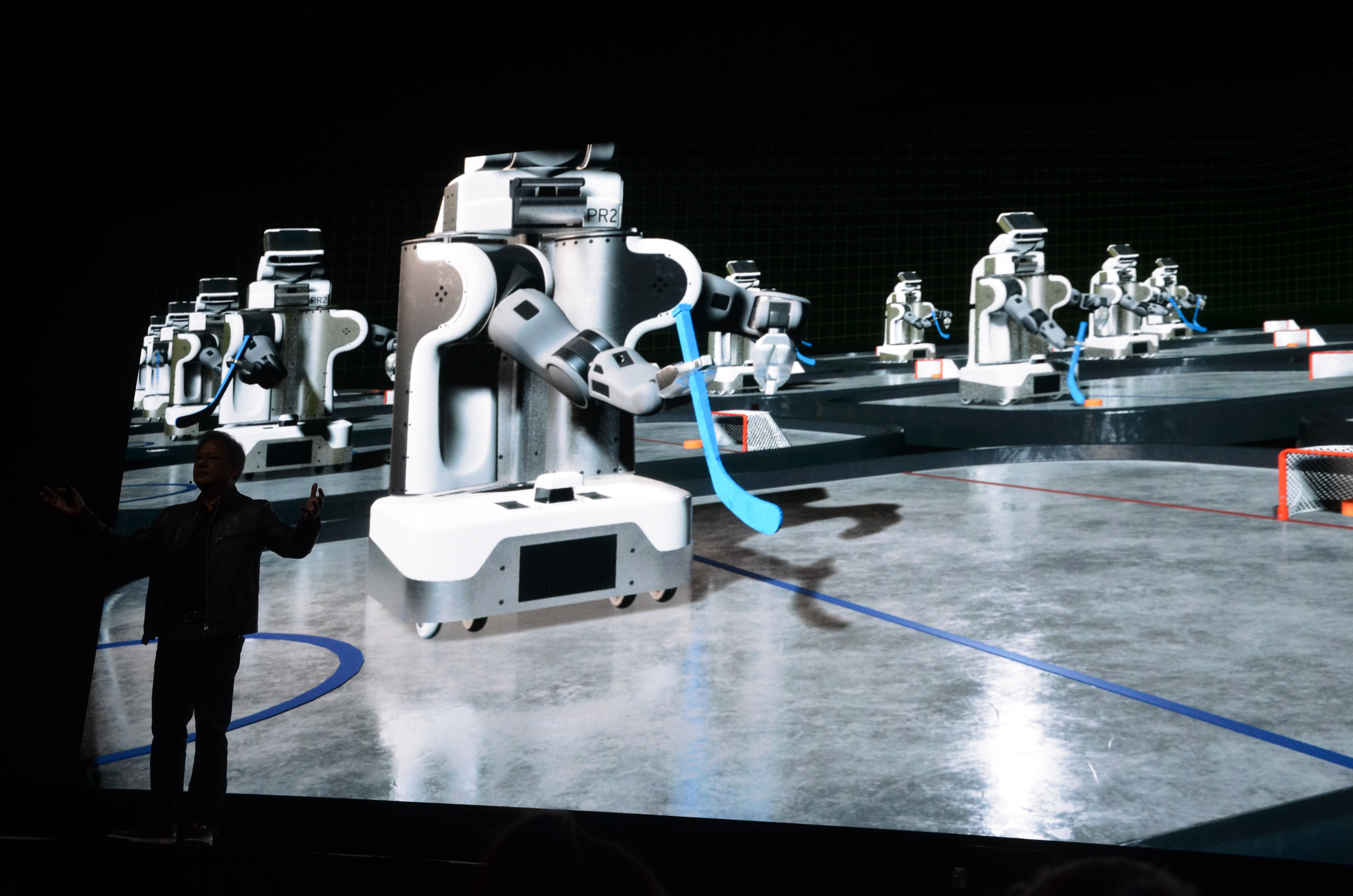
The first robot demo showed, Ada, the robot, at the Berkeley A.I. Laboratory who learned how to play hockey. The robot was trained to shoot an orange plastic puck into a small net repeatedly using reinforcement learning. It is learning in the real world.

“Hockey is not too bad… what if we wanted a robot to do open a door, lift a car, or cooperate with a doctor to do surgery?” “There is no way we can have it learn this way repeatedly in the physical world.”

That is why an alternate universe has to obey the law of physics if you choose, be visually photo realistic that looks like the world, and has to have the ability to learn inside this alternative universe. The one gap with the real world is it needs to operate…and we would need it train it at warp speed – it needs to move faster.

Project Issac was created in a virtual environment as a robot simulator for this reason. It’s named after two Isaacs – named for physics pioneer Isaac Newton and Isaac Asimov, the science-fiction author. Isaac has the input of environmental robots, you can put virtual sensors, actuators, effectors of the robot and it’s connected to the OpenAI Gym.

“If you’re going to train robots using A.I., they’re going to have to do a lot of work to do their tasks. Robots can learn effectively in this virtual environment and you can take what they’ve learned… and you can take this robot and put it in the real world.” With Project Isaac, the first alternate reality virtual robot simulator. makes it possible for robots to learn inside this virtual world and will hopefully bring the future of artificial intelligence and robotics to the real world.”

The Isaac Robot simulator where the virtual robots learn before being put into the physical world. Photo by Marcus Siu.

Whether it’s Ada shooting shooting hockey pucks into a net or Isaac getting a sixty foot putt on a golf course. For Nvidia’s latest architecture, it’s a score!!!

Posted in Technology | Leave a comment

NVIDIA Releases VRWorks Audio and 360 Video SDKs at GTC

SAN JOSE, CA,  May 8, 2017 – NVIDIA is making VR more immersive, and VR development easier, with the release of VR audio and 360-degree video stitching as part of our VRWorks software development kit.

Released at the GPU Technology Conference, kicking off today at the San Jose Convention Center, the VRWorks Audio SDK provides real-time ray tracing of audio in virtual environments, and is supported in Epic’s Unreal Engine 4. The VRWorks 360 Video SDK addresses the complex challenge of real-time video stitching.

How sound works in space.

NVIDIA VRWorks Audio helps create a truly immersive environment by modeling sound propagation phenomena, such as reflection, refraction and diffraction. And it does so in real time, thanks to the massive processing power of GPUs.

Using NVIDIA OptiX ray-tracing technology, VRWorks Audio traces the path of sound in real time, delivering physically accurate audio that reflects the size, shape and material properties of the virtual environment.

It’s the only hardware-accelerated and path-traced audio solution that creates a complete acoustic image of the environment in real time without requiring any “pre-baked” knowledge of the scene. As the scene is loaded by the application, the acoustic model is built and updated on the fly. And audio effect filters are generated and applied on the sound source waveforms.

The software release consists of a set of C-APIs for integration into any engine or application, and an integration for Epic’s Unreal Engine 4 that’s now available on GitHub.

GTC attendees can visit the VR Village to experience a live demonstration of VRWorks Audio technology, as well as the SDK integrated into OPTIS’ HIM VR design application.

Come hear the difference!

VRWorks 360 Video for Real-Time Stitching

Also at GTC, we’re releasing the first public beta of the VRWorks 360 Video SDK, which enables real-time 4K 360 video capture, stitching and streaming.

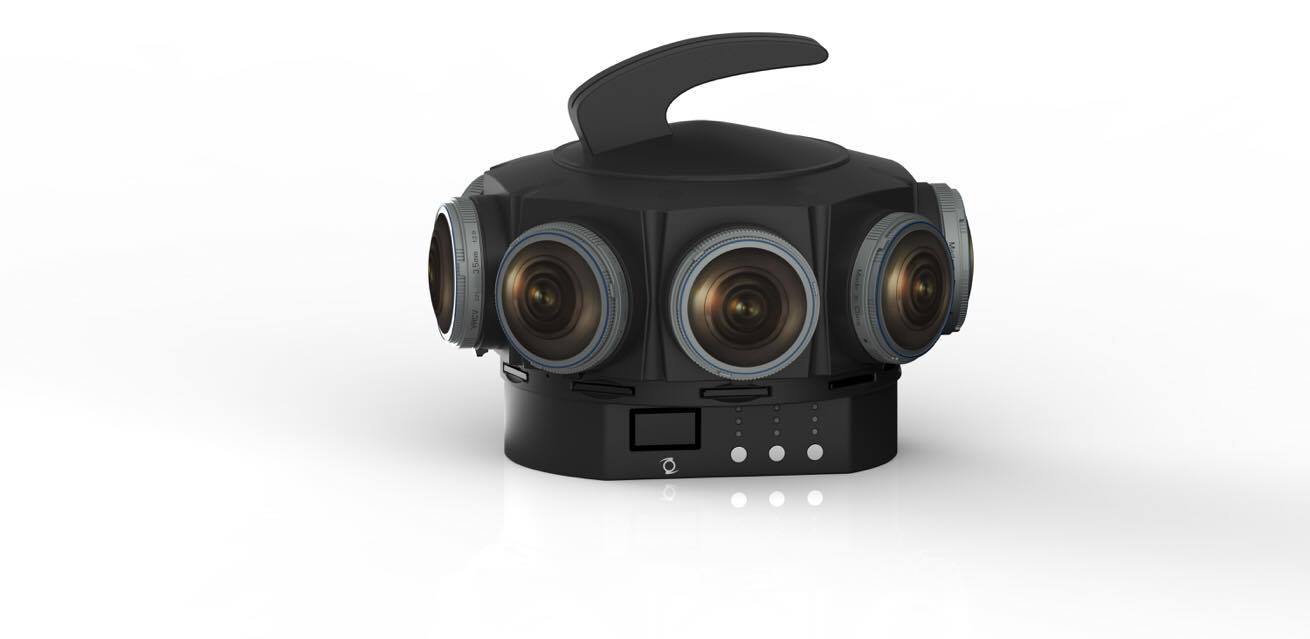
Picture perfect: Z CAM’s V1 PRO VR camera system

In addition, we’re demoing an upcoming release of the VRWorks 360 Video SDK that enables real-time stitching in stereo. Using two Quadro P6000 GPUs, the SDK can stitch eight 4K cameras in stereo as demonstrated with Z CAM’s V1 PRO VR camera system.

“The fact that NVIDIA manages to stitch 4K 360 stereoscopic video in real time, making livestreaming possible, changes the production pipeline and enables entirely new use cases in VR,” said Kinson Loo, CEO of Z CAM.

The NVIDIA VRWorks 360 Video and Audio SDKs are available for all developers to download from developer.nvidia.com/vr. VRWorks 360 Video SDK for mono is available now as a public beta. VRWorks 360 Video SDK for stereo will be released soon.

Posted in Technology | Leave a comment

TURNING YOUR DUMB CAR INTO A SMART CAR WITH ALEXA – PRODUCT SPOTLIGHT ON LOGITECH’S ZEROTOUCH

Article by Marcus Siu

How often do we notice drivers driving erratically and weaving on the roads, most likely from making or receiving calls on their cell phone? Or even worse, texting with their eyes glued to their phone to ensure their spelling is correct while driving at maximum speeds on the highway? Or perhaps, someone who is distracted because they don’t have their “Green Day” song playing in the background, so they have to search for a certain radio station or CD that is shoved in the glove compartment, unknowingly endangering the drivers and the cars around them.

I think it’s pretty safe to say “all the time”.

In fact, the National Safety Council reports that cell phone use while driving leads to 1.6 million crashes each year. Nearly 330,000 injuries occur each year from accidents caused by texting while driving. 1 out of every 4 car accidents in the United States is caused by texting and driving.

Unfortunately it’s just getting worse for more and more drivers on the road, including the ones with good driving records. Along with traffic congestion, increasing commute times, and the number of insane people who have to be on a social network 24-7, it is increasingly getting dangerous on the roads for all of us.
However, wouldn’t it be great if we had a personal assistant in our car to make our calls and texts and answer our questions when needed, keeping our hands on the wheel at all times? Wouldn’t it be great to hear a voice activated “Whatapp” or “Messanger” text and being able to reply back without having to take your hands off the wheel? Or to just play certain music just by using voice activation? Wouldn’t it be great to just concentrate on the road and never be ever distracted again?

Thanks to Logitech’s ZeroTouch, this has become a reality. All you need is a car with Bluetooth connection, an Android smartphone, and a ZeroTouch.

ZeroTouch is a device that extends the typical smartphone into a voice activated controller that acts like a personal A.I. assistant. This makes hands free driving possible while texting and calling, as well as everything else you would want to do on your phone, without actually having to touch it and keep your eyes off the road. The most you would do with your hands is a high-five or a wave over it, which wakes it up. Driving with a cell phone in your car is now safer than ever.

With a ZeroTouch dashboard mount and my smartphone with the Zero Touch app, my dumb-car is now a smart car, turning it into a hands free device and also a “connected car” at the same time. A magnetic dock holds your smartphone onto the mount in full view while driving and the app runs the commands. You just need to make sure that your smartphone is set for Bluetooth and location in the settings.

For the last few months, I’ve been using this wonderful device and it really has become part of my daily routine, and I really don’t know how I was able to cope without it before owning one. This device is a life saver, as I no longer have to put myself in danger by looking away from the road while driving. Instantly, with the wave of your hand over your smartphone, Zero Touch opens up to your commands. You can use it as a GPS to “Navigate” where you want to go. You can “call” or text anyone in your contacts. You can stream a song or artist on Spotify or Pandora, or even check for reviews of restaurants, even without even touching the device.

However, I wish the navigation maps were a little better with ZeroTouch. I asked to navigate to “CVS”, thinking it would take me to the nearest one location, but it gave me another CVS which was several miles further. I also had issues when asking it to navigate to Frys Electronics, as it was never clear which store location it had found.

Hopefully, these bugs can clearly be corrected on a future update.

ZeroTouch did include a great update, as it has incorporated Amazon’s Alexa onto their app. So that covers just about everything else you need for an assistant. Therefore you can ask it anything else you want, including the latest news, up-to-date traffic and weather, the sports score, just about anything you can think of. You can even have it control your smart home’s lights, security, appliances, etc.

For the Alexa owners of the Echo and the Dot who wished they had one in their car, this is it. It’s the exact same software, but it will use your car speakers instead. ZeroTouch is the only car phone holder with voice control and Alexa integration.

Even with the issues that I have encountered, I still think this is the greatest invention since connected homes…

https://www.logitech.com/en-us/product/zerotouch

Posted in Technology | Tagged , , | Leave a comment

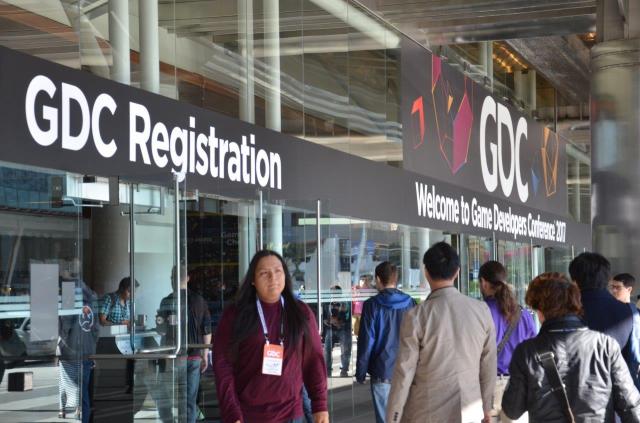
GDC2017 – GAME DEVELOPER’S CONFERENCE CONCLUDES ANOTHER SUCCESSFUL EVENT IN SAN FRANCISCO

GDC17_Logo_Year_Bug_bw

Article and Photos by Marcus Siu

SAN FRANCISCO, CA,  Mar 3, 2017 – The Game Developers Conference®, or commonly known as “GDC”, the world’s largest professional game industry event just ended it’s five day stint at San Francisco’s Moscone Center last week.  There was plenty of activity at the event with all the participants flying from all around the globe to show their wares and to be discovered by scouts, as well as the main sponsors of the Gaming community, including major players, such as Sony, Xbox,  Nvidia, Facebook Oculus, Autodesk, Google, Amazon, Lumberyard, and Unity Technologies, just to name just a few.

Much of tomorrow’s young talent showed up at other off-site places close to the Moscone Center, such as CBS Interactive, who hosted the European Game Showcase.  The developers that attended this event are based in countries far away, such as Vienna, Poland, Barcelona, and Holland. Many of these same designers were participating at Moscone West’s Indie Lounge Megabooth during the conference.  They are hoping to get funding or to be scouted by the Big Leagues.  From what I saw, I think many will be discovered.

A wide assortment of games were being demoed throughout the floor at the European Game Showcase.  Though, I didn’t see all of them, I noticed that they were not violent. For example,  I walked through a country hillside in a quaint neighborhood, I played keyboard sports games, I was an actual pinball trying control myself by racking up points by bumping into bumpers and chutes, and I attended a Monster Prom.  I also went through an interactive VR space station.  They were all quite enjoyable, even with my passion for “Call of Duty” games.

Though, much VR was being demoed on the Expo floor by the major players, I’m wondering if it has died down compared to a year ago.

This years conference marks the 31st edition of GDC, making it the longest-running event of its kind. Presented every spring in San Francisco, it is the essential forum for learning, inspiration, and networking for the creators of computer, console, handheld, smartphone, tablet, mobile, and online games and creators of virtual and augmented reality for games and entertainment.

GDC attracts over 27,000 attendees, and is the primary forum where programmers, artists, producers, game designers, audio professionals, business decision-makers and others involved in the development of interactive games and virtual reality gather to exchange ideas and shape the future of the industry. GDC is produced by UBM Game Network, a division of UBM Americas.

There is nothing more exciting then the multitude of ideas flowing from so many great young thinkers who are so enthusiastic about their projects.  It becomes infectious and encourages great networking opportunities for all of those involved.

This slideshow requires JavaScript.

Posted in Technology | Leave a comment

MLS ENTERTAINMENT – PREDICTS THE 89TH ANNUAL ACADEMY AWARDS

LLL d 29 _5194.NEF

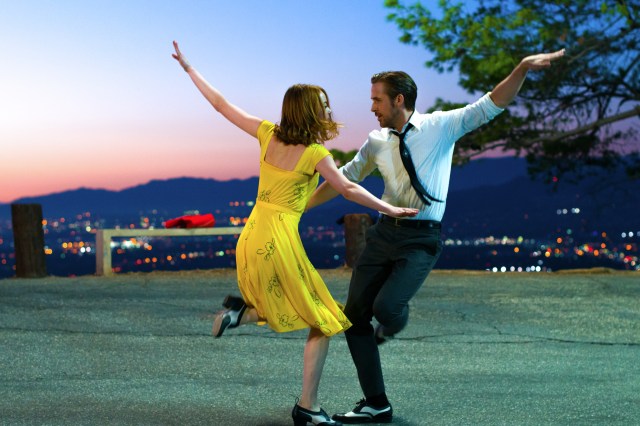
Mia (Emma Stone) and Sebastian (Ryan Gosling) in LA LA LAND.           Photo Credit: Dale Robinette

Watch the Oscars February 26th live on ABC 7e | 4p!

Article by Marcus Siu

LOS ANGELES, FEBRUARY 24, 2016:  Just barely a year ago, immediately after the “Oscars So White” movement denounced the lack of diversity of minorities for the Academy Award nominations, the Academy of Motion Picture Sciences (AMPAS) announced it would double the number of women and diverse members by the year 2020.

Their “movement belief” was that if hiring reflected the U.S. population, Oscar voters would have weighed 150-plus films directed by women, 45 directed by blacks, 50 by Hispanics, and dozens of movies by directors who are Asian-American, LGBT individuals, people with disabilities and members of other minorities. Of course, the actual tallies were a fraction of those numbers.

During June of last year, the Oscar-granting organization has issued 683 invitations to prospective new members this year, with 46% being women and 41% being people of color. Even with those numbers, there are close to 90% white and 83% men enlisted in the Academy.

However, that seemed to have solved the diversity issue, at least for this year, as six out of the ten acting nominees are non-white and are vying for an Academy Award this weekend.

“Moonlight” has two of those nominations in the supporting actor categories for first time nominees, Mahershala Ali and Naomie Harris, “Fences” has two for Denzel Washington and Viola Davis in the lead actor categories,  “Loving”‘s Ruth Negga and “Hidden Figures” Octavia Spencer.

This may be the year that will be remembered when diversity broke out.

Here are MLS Entertainment’s predictions for this years Academy Awards.

BEST PICTURE:

“La La Land”
“Moonlight”
“Manchester by the Sea”
“Arrival”
“Fences”
“Lion”
“Hidden Figures”
“Hacksaw Ridge”
“Hell or High Water”

If La La Lands’ 14 nominations, which is tied for the most nominations ever in the history of the Academy Awards, isn’t a big enough indicator that it will win Best Picture, then nothing is.  The other three movies that were nominated for 14 awards, (“All About Eve”, “Titanic”, and “The Lord of the Rings – Return of the King” eventually took Best Picture.

If another movie wins, then my guess is that the balloting was hacked by cyber terrorists and we should stage a protest and march to Los Angeles and demand the Academy to ask the auditors at Price-Waterhouse to do a re-count.

Prediction: La La Land

FENCES

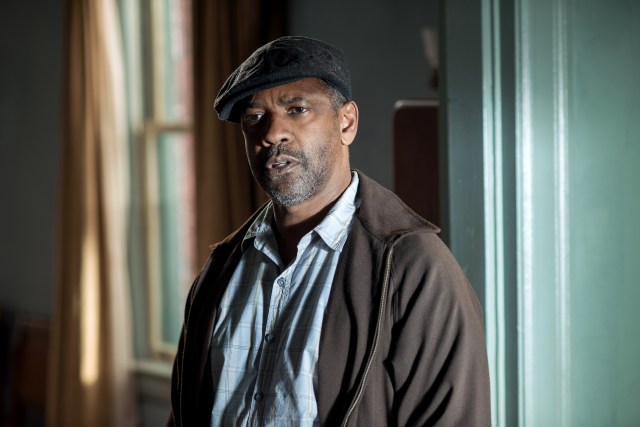
Denzel Washington plays Troy Maxson in Fences from Paramount Pictures. Directed by Denzel Washington from a screenplay by August Wilson.

BEST ACTOR:

Ryan Gosling, “La La Land”
Casey Affleck, “Manchester by the Sea”
Denzel Washington, “Fences”
Andrew Garfield, “Hacksaw Ridge”
Viggo Mortensen, “Captain Fantastic”

Bringing August Wilson’s play “Fences” from stage to screen was a pure consummate project for Denzel Washington.  As the film’s director (and co-producer), he chose to be true to the stage play as he possibly could by keeping the Tony Award winning original 2010 Broadway cast intact.  According to Washington, the star of the movie is the screenplay and August Wilson’s words. With Viola Davis by his side, you couldn’t find a better acting duo this year alongside each other, as both have each won Tony Awards for their work for their respective roles. As a director/actor, he made this film to be an actor’s movie that showcased Wilson’s screenplay. Since most of the Academy are actors, they certainly did appreciate his choice.

Contender Casey Affleck, on the other hand took home the Golden Globe Award and the BAFTA for Best performance by an Actor in his role as a guardian to his brother’s nephew in “Manchester by the Sea”, but I think the edge will still go to Washington, as he took this year’s SAG award for Best Actor and also since this may be his proudest work as the “total filmmaker”.  If he does win, he will have won his third Oscar, which is a feat only accomplished by six other actors since the statuettes were given out.

As for the other three Best Actor nominees; they were all fantastic.  Especially “Captain Fantastic’s” Viggo Mortensen, whose character, as a father of six, unconventionally raises them like no other parent could ever imagine.  Mortensen received the loudest ovation at the SAG luncheon, so he definitely has his share of admirers. Returning two-time Oscar nominee, Ryan Gosling, certainly deserves special recognition for actually playing jazz piano in “La La Land” without stunt doubles or tricky film editing techniques to assist him.  Yes, that’s really him playing.  Lastly, first time nominee, Andrew Garfield had a super exceptional year, as well, and gave us two very “religious” experiences;  his nominated real-life role as Desmond Doss, a conscientious objector and medic in Mel Gibson’s brutal “Hacksaw Ridge”, and also a 17th Century Jesuit priest in Martin Scorcese’s “Silence”.

Prediction: Denzel Washington

LLL d 09 _1627.NEF

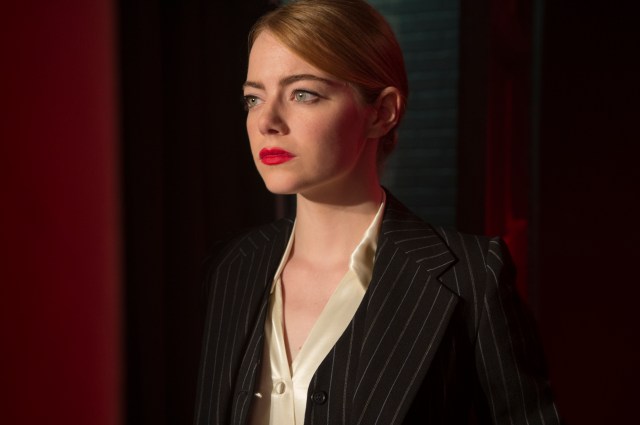
Emma Stone stars as ‘Mia’ in LA LA LAND. Photo Credit: Dale Robinette

BEST ACTRESS

Natalie Portman, “Jackie”
Emma Stone, “La La Land”
Isabelle Huppert, “Elle”
Meryl Streep, “Florence Foster Jenkins”
Ruth Negga, “Loving”

Second time nominee, Emma Stone, should have her acceptance speech ready by now.  She has basically won virtually every major award for her role as Mia in “La La Land”.  Her drive and dedication for her role included months of rehearsals of singing and dancing, with the first six weeks dedicated to tap and ballroom dancing with Mandy Moore as choreographer.  She is not afraid of taking risks or challenges given to her by La La Land’s director Damien Chazelle and is likely to be around for years to come.

Isabelle Huppert, this year’s Golden Globe Award winner for Best Actress in a Drama, has the best outside chance to beat Stone for the French language film, “Elle”.  She has been finally recognized by the Academy, but she, like Meryl Streep, has been churning out standout performances throughout her entire forty-year career, but mainly in Europe.  She deserves more of a Lifetime Achievement Award, but at least she will be honored with her first nomination for her daring portrayal in Paul Verhoeven’s powerful “rape revenge” film.

Meryl Streep, nominated again this year for a record breaking 20th time in the title role of “Florence Foster Jenkins”. It could possibly be the world’s greatest actress playing the world’s worst opera singer. It’s too easy to break records when you’re Meryl Streep.  It’s also easy to want to break records if you have the name Florence Foster Jenkins on them. Natalie Portman’s portrayal of Jacqueline Kennedy in “Jackie” and Ruth Negga’s “Loving”, also give strong impressive performances, but are unlikely to take the gold, as the voters didn’t quite give enough “loving” to those respective films.

Prediction: Emma Stone

Moonlight

Alex Hibbert and Mahershala Ali in MOONLIGHT Credit: Photo by David Bornfriend, courtesy of A24

BEST SUPPORTING ACTOR:

Mahershala Ali, “Moonlight”
Jeff Bridges, “Hell or High Water”
Lucas Hedges, “Manchester by the Sea”
Dev Patel, “Lion”
Michael Shannon, “Nocturnal Animals”

The indie film, Moonlight was a perfect vehicle and just in time for the “diversity” issue to kick in.  Writer, director, Barry Jenkins put together a near perfect film with an amazing ensemble of acting from the entire cast which took the Screen Actors Guild Outstanding Performance by a Cast this year.  The heart of that ensemble belonged to Mahershala Ali, who plays a smart street drug-dealer who tries to shape the life of a neglected boy (Alex Hibbert) who belongs to a crack addicted mother. A heart wrenching performance.

As good as the other four nominees are, they are no match for Ali.

Prediction: Mahershala Ali

null

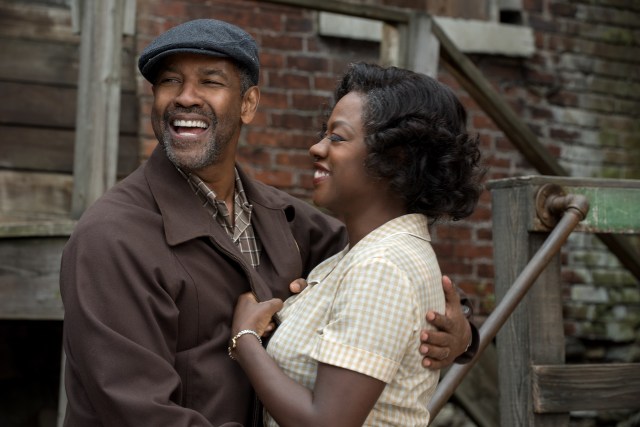
Denzel Washington plays Troy Maxson and Viola Davis plays Rose Maxson in Fences from Paramount Pictures.

BEST SUPPORTING ACTRESS:

Viola Davis, “Fences”
Michelle Williams, “Manchester by the Sea”
Octavia Spencer, “Hidden Figures”
Naomie Harris, “Moonlight”
Nicole Kidman, “Lion”

Make note that this category has nominated a record three black actresses, creating Oscar history:  Viola Davis in “Fences”, Naomie Harris in “Moonlight” and Octavia Spencer in “Hidden Figures”.  Michelle Williams in “Manchester By the Sea” and Nicole Kidman’s “Lion” round out the impressive list of performances by a supporting actress.  As good as they all were, three-time nominee, Viola Davis is way long overdue to be awarded by the Academy.  Sharing scenes with Denzel along with the rest of the original 2010 Broadway cast just makes her shine even more, especially since she knows that role inside out after playing it on Broadway.  Where the other nominees were impressive, Davis was just downright phenomenal.

Prediction: Viola Davis

NOTES OF INTEREST:

Look for the Academy to give possibly give a second Oscar to Iranian director, Asghar Farhadi, for “The Salesman” for Best Foreign Language Film, who will not be able to pick up the award due to Trump’s Visa ban, if he wins.  It would be interesting to see if there will be a platform to speak out politically, as I am sure the stage will be set for may who choose to do so.  Especially with diversity as the theme of the evening.

32 year old, Damien Chazelle, will be the youngest director to ever win the Academy Award for “La La Land”.


AND THE REST OF THEM:

  1. Best Picture: La La land
  2. Actor in a Leading Role: Denzel Washington – Fences
  3. Actress in a Leading Role: Emma Stone – La La Land
  4. Actor in a Supporting Role: Mahershala Ali – Moonlight
  5. Actress in a Supporting Role: Viola Davis – Fences
  6. Directing: Damien Chazelle – La La Land
  7. Adapted Screenplay: Moonlight – Barry Jenkins
  8. Writing (Original Screenplay) – Manchester by the Sea
  9. Cinematography: Linus Sandgren – La La Land
  10. Costume Design: Madeline Fontaine – Jackie
  11. Sound Mixing – Andy Nelson, Ai-Ling Lee, Steven Morrow – La La Land
  12. Film Editing: Tom Cross – La La Land
  13. Sound Editing: Robert Mackenzie, Andy Wright – Hacksaw Ridge
  14. Visual Effects: The Jungle Book
  15. Makeup and Hairstyling: Star Trek Beyond
  16. Music (Original Song) – Justin Hurwitz – City of Stars
  17. Music (Original Score) – Justin Hurwitz – La La Land
  18. Short Film (Animated) – Piper
  19. Short Film (Live Action) – Ennemis Interieurs
  20. Documentary Short Subject: Joe’s Violin
  21. Documentary Feature: O.J. Made in America
  22. Foreign Language Film: The Salesman
  23. Animated Feature Film: Zootopia
  24. Production Design: La La Land

Posted in Entertainment | 2 Comments